

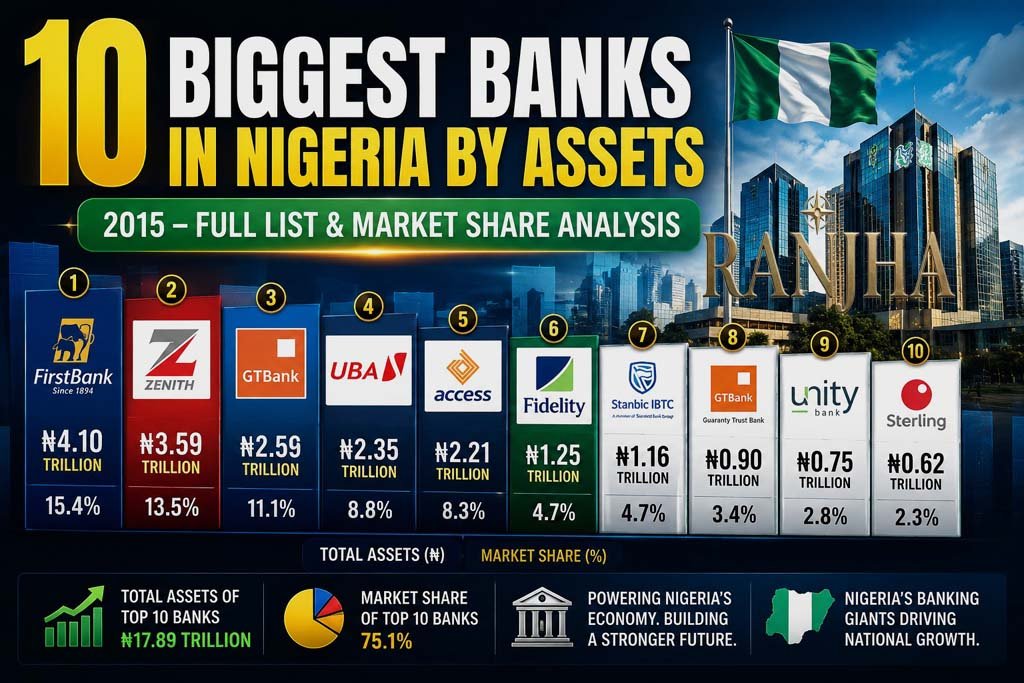
The 10 Biggest Banks In Nigeria By Assets In 2015
Nigeria’s banking sector in 2015 was a story of intense competition and shifting leadership at the top. As the largest economy in Africa navigated a challenging year marked by falling oil prices and the introduction of the government’s Treasury Single Account (TSA) policy, the country’s major banks saw their balance sheets come under pressure. Despite these headwinds, the top 10 banks remained a powerful oligopoly, controlling the vast majority of the industry’s N25.4 trillion total assets.
By the end of 2015, the asset base of these leading banks ranged from over N4 trillion for the industry leader to just over N1.1 trillion for the bank in tenth place. Here is the ranking of Nigeria’s 10 biggest banks by assets in 2015:
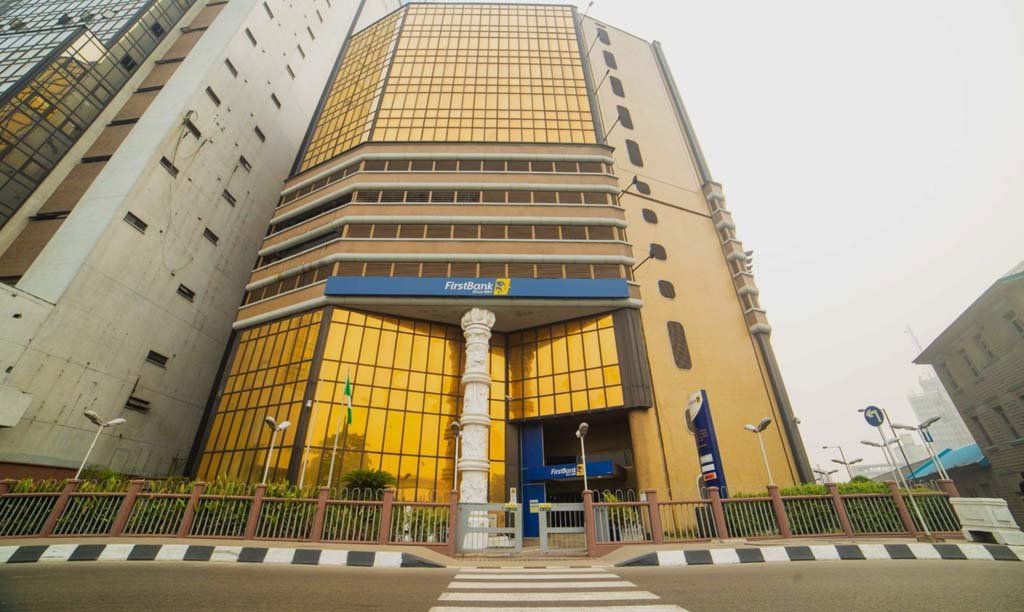
1. FBN Holdings (First Bank) – N4.17 Trillion
Despite a decline of 4.1% from its 2014 peak, FBN Holdings maintained its long-held position as Nigeria’s largest bank by assets, with a balance sheet of N4.17 trillion. Its asset base represented a 14.37% market share at the end of 2015. However, its leadership was under serious threat as rivals closed the gap.
2. Zenith Bank – N4.0 Trillion
Zenith Bank was the closest challenger and by many accounts, the fastest-growing large bank in the country. It ended 2015 with assets of N4.0 trillion, representing a rapid 6.7% growth over the previous year and significantly narrowing the gap with First Bank. Its performance cemented its reputation as one of Nigeria’s most formidable financial institutions.
3. United Bank for Africa (UBA) – N2.75 Trillion
UBA held its position as the third-largest bank with total assets of N2.75 trillion. However, the bank experienced a slight decline in its asset base, allowing faster-growing competitors like Access Bank to close in on its ranking.
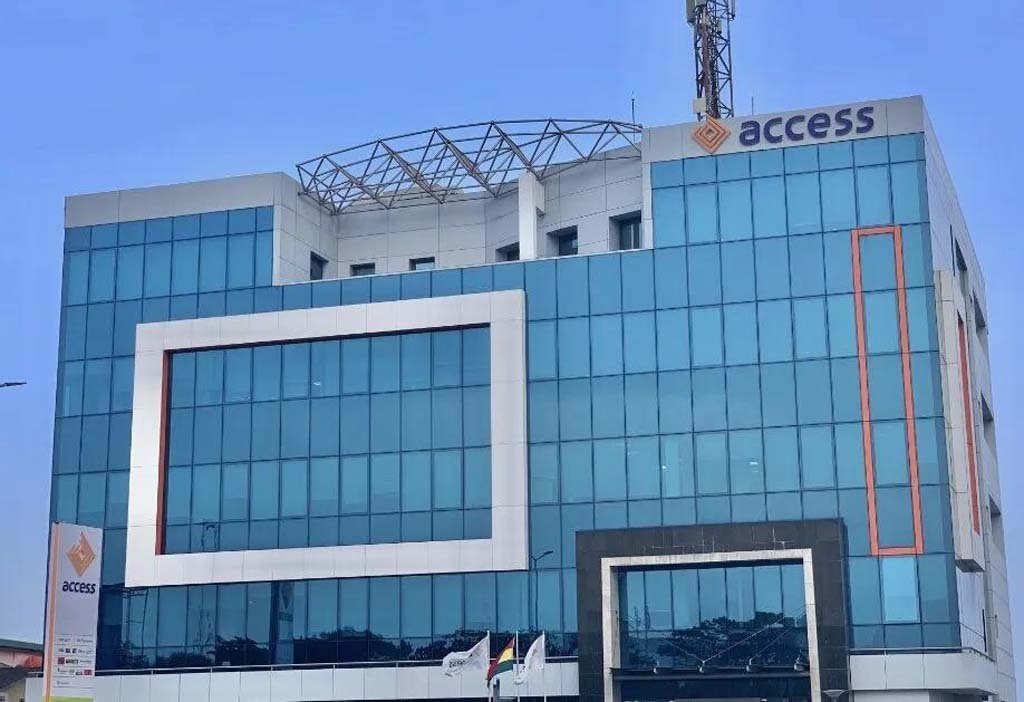
4. Access Bank – N2.59 Trillion
Access Bank was the industry’s most impressive performer in 2015. It grew its asset base by a record 23.1% to N2.59 trillion, enabling it to leapfrog Guaranty Trust Bank to claim the 4th position.
5. Guaranty Trust Bank (GTBank) – N2.52 Trillion
GTBank slipped one spot to 5th place with total assets of N2.52 trillion. Its slower, more stable growth rate of 7.2% allowed Access Bank to surge ahead.
6. Ecobank Nigeria – ~N1.77 Trillion
Ecobank climbed to the 6th position. While its exact 2015 figure was not publicly available at the time, it had closed 2014 with assets of N1.77 trillion and was expected to be well ahead of the banks below it.
7. Diamond Bank – N1.75 Trillion
Diamond Bank lost its previous 6th position, dropping to 7th with assets of N1.75 trillion. It recorded one of the highest drops in total assets for the year, declining by 9.3%.
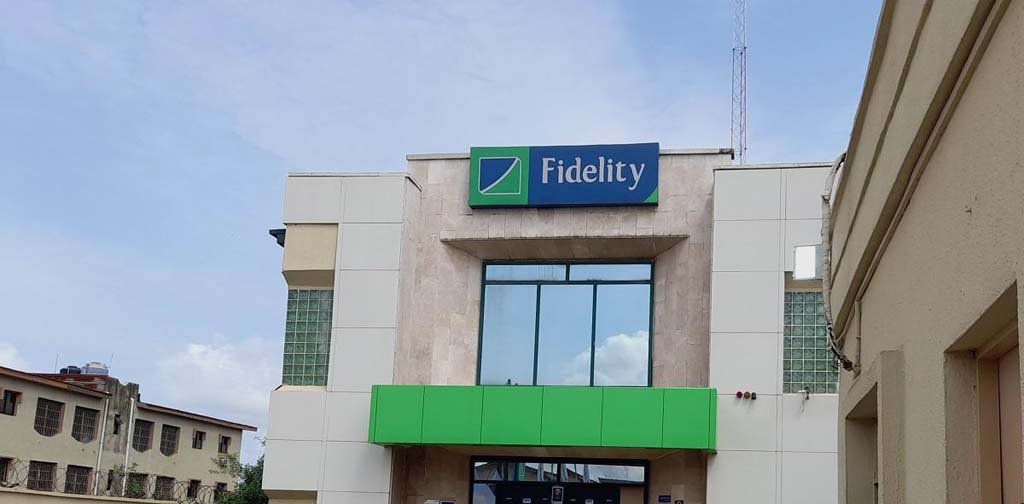
8. Fidelity Bank – N1.23 Trillion
Fidelity Bank climbed to 8th place after its total assets increased to **N1.23 trillion**. A **3.8% rise** in its balance sheet helped strengthen its position in the rankings.
9. Skye Bank – N1.20 Trillion
Skye Bank slipped to the 9th position with an asset base of N1.20 trillion. The bank experienced the widest swing among the top 10, recording a 13.6% decline in assets.
10. First City Monument Bank (FCMB) – N1.16 Trillion
FCMB rounded out the list, maintaining its position with total assets of N1.16 trillion.

A Glimpse at the Wider Context
By the end of 2015, the top 10 banks held approximately 78.28% of the entire banking industry’s total assets. The banking sector was also feeling the strain of economic difficulties. The ratio of non-performing loans (NPLs) to gross loans increased to 4.86% in the second half of the year, reflecting the pressure of a tough macroeconomic environment.
About the Author
My name is Dua Qamar, and I am a content writer with a strong interest in African finance and economic history.
Why I Wrote This Article:
I wrote this piece because 2015 was a pivotal year for the Nigerian banking industry. It was a period of leadership battles and market consolidation, offering a fascinating snapshot of one of Africa’s most important financial sectors. Understanding the players and their assets provides valuable context for anyone following Nigeria’s economic journey. My goal was to uncover this financial snapshot and present the key players in a clear, accessible way.
How I Approached This Topic:
I researched the topic by examining reports from 2016 that provided year-end data for 2015. The most detailed and reliable information came from analyses of the industry landscape by Nigerian news sources like TheCable, which published a comprehensive ranking of the top 10 banks by assets at that time. I corroborated this data with reports from the Nigerian Deposit Insurance Corporation (NDIC) and insights on the competitive market structure.
Who This Article Is For:
This article is for anyone curious about Nigeria’s economic history, investors researching the Nigerian market, or business enthusiasts who want to understand the dominant players in the country’s banking sector.
The Message I Hope Readers Take Away:
The landscape of Nigeria’s banking industry is dynamic. 2015 shows that even the largest banks can lose ground to aggressive competitors. By looking back at this period, we can better appreciate the resilience and competitive spirit that defines one of Africa’s most important financial sectors.
Written by: Dua Qamar

1 Comment
Pingback: Dubai Attractions: 10 Best Places That Will Blow Your