



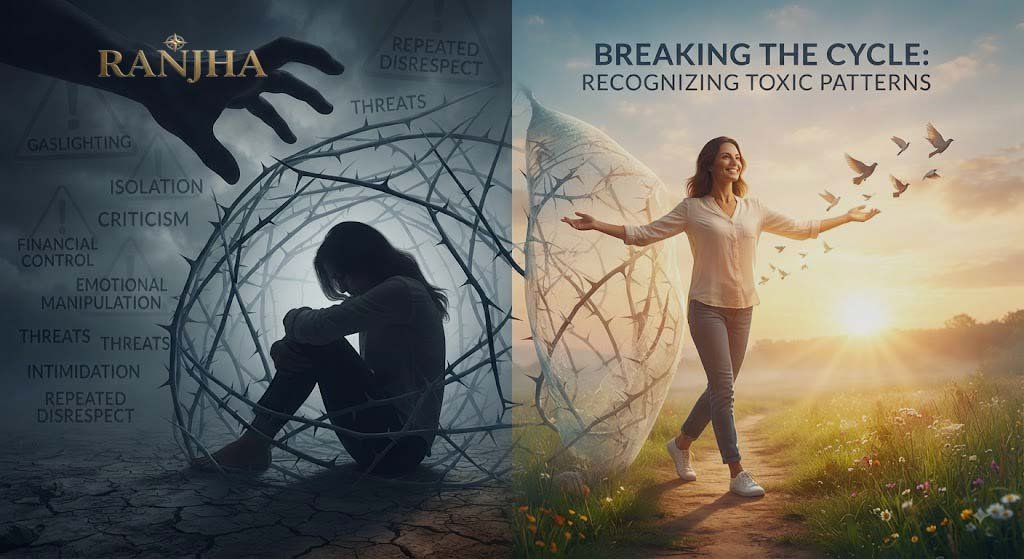
Relationship Breaking the Cycle: Recognizing Toxic Patterns That Affect Women’s Lives
A woman’s life can be deeply affected by the way a man treats her. Not every form of harm is physical. Emotional abuse, manipulation, financial control, isolation, humiliation, threats, and constant disrespect can slowly change a woman’s confidence, relationships, and sense of safety. In some situations, the damage can continue long after the relationship has ended.
This does not mean that every man is harmful or that women are powerless. Healthy relationships are built on respect, honesty, freedom, and mutual responsibility. The purpose of this article is to examine how harmful behavior can affect women and why recognizing these patterns early matters.
Spotting the Red Flags: How Toxic Behaviors Undermine Women’s Lives
1. Emotional Manipulation

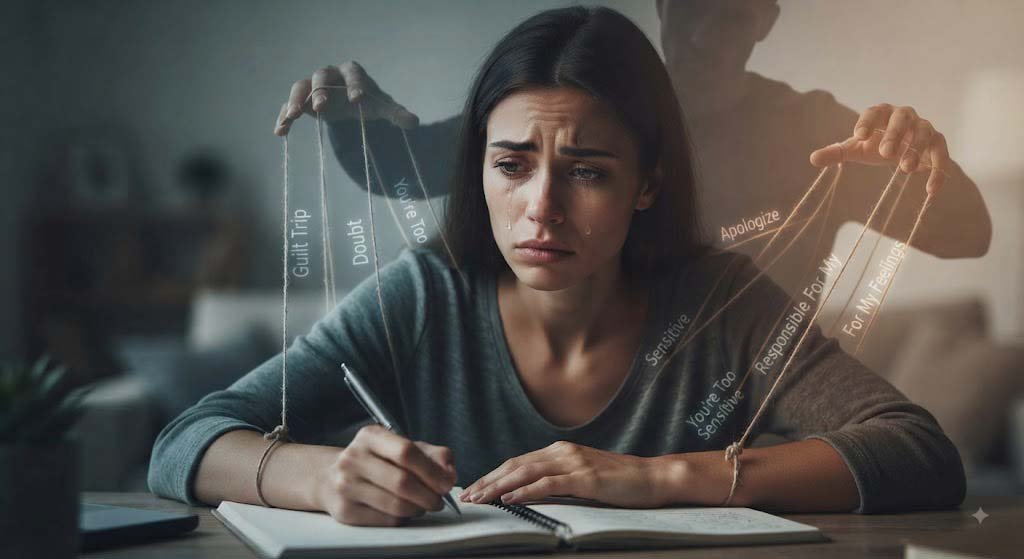
One of the most damaging behaviors is emotional manipulation. A controlling partner may constantly make a woman feel guilty, responsible for his emotions, or afraid of upsetting him.
Over time, she may begin questioning her own feelings and decisions. She might apologize even when she has done nothing wrong simply to avoid another argument. This can gradually weaken her confidence and make her dependent on her partner’s approval.
2. Constant Criticism and Humiliation
Repeated criticism can also cause serious emotional damage. A man who constantly attacks a woman’s appearance, intelligence, career, friendships, or personality can make her believe that she is never good enough.
Occasional disagreements are normal in relationships. Constant humiliation is different. When criticism becomes a daily pattern, it can destroy self-esteem and leave a woman afraid to express herself.
3. Isolation From Family and Friends

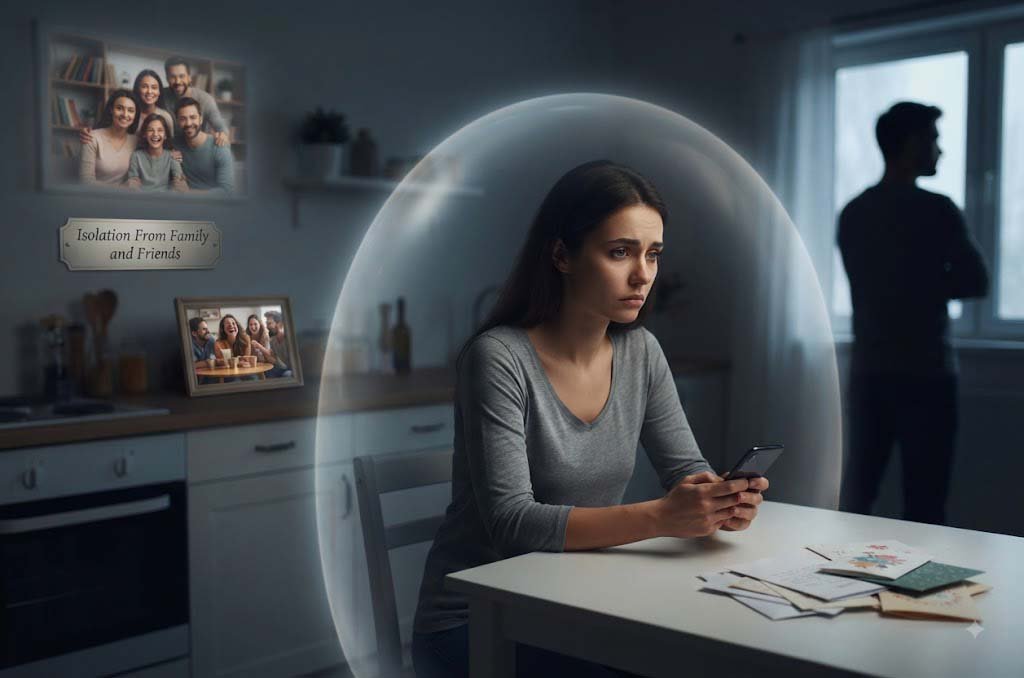
Healthy relationships allow both people to maintain connections outside the partnership. An abusive or controlling partner may instead attempt to separate a woman from the people who support her.
He might complain whenever she visits friends, discourage contact with family, or create arguments whenever she spends time away from him. Isolation can make it much harder for a woman to seek help or recognize that her relationship has become unhealthy.
4. Financial Control
Money can become another tool of control. A partner may prevent a woman from working, control her bank account, monitor every purchase, or deliberately create financial dependence.
Financial abuse can have long-term consequences because leaving an unhealthy relationship becomes much harder when someone has no independent income, savings, transportation, or access to financial resources.
5. Gaslighting and Constant Denial
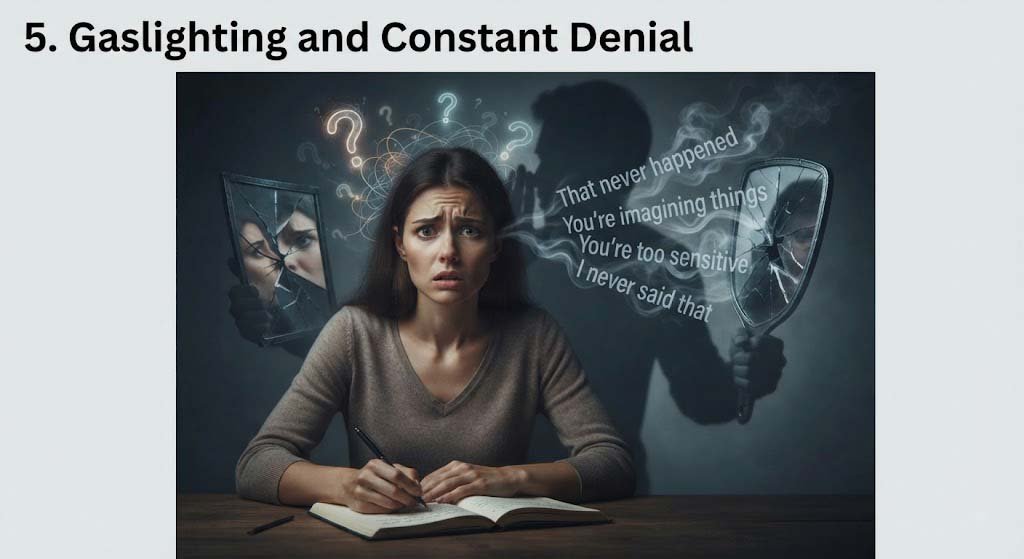
Gaslighting involves repeatedly making someone question their memory, feelings, or understanding of events. A woman may be told that something never happened, that she is imagining problems, or that she is “too sensitive.”
When this happens repeatedly, she may stop trusting her own judgment. The result can be confusion, anxiety, and a growing dependence on the other person to define what is real.
6. Controlling Her Choices
Control can appear in many forms. A partner may attempt to dictate what she wears, where she goes, who she talks to, what career she chooses, or how she spends her time.
A relationship should not require one person to surrender their identity. Love and control are not the same thing. A healthy partner respects boundaries and accepts that another person has the right to make independent choices.
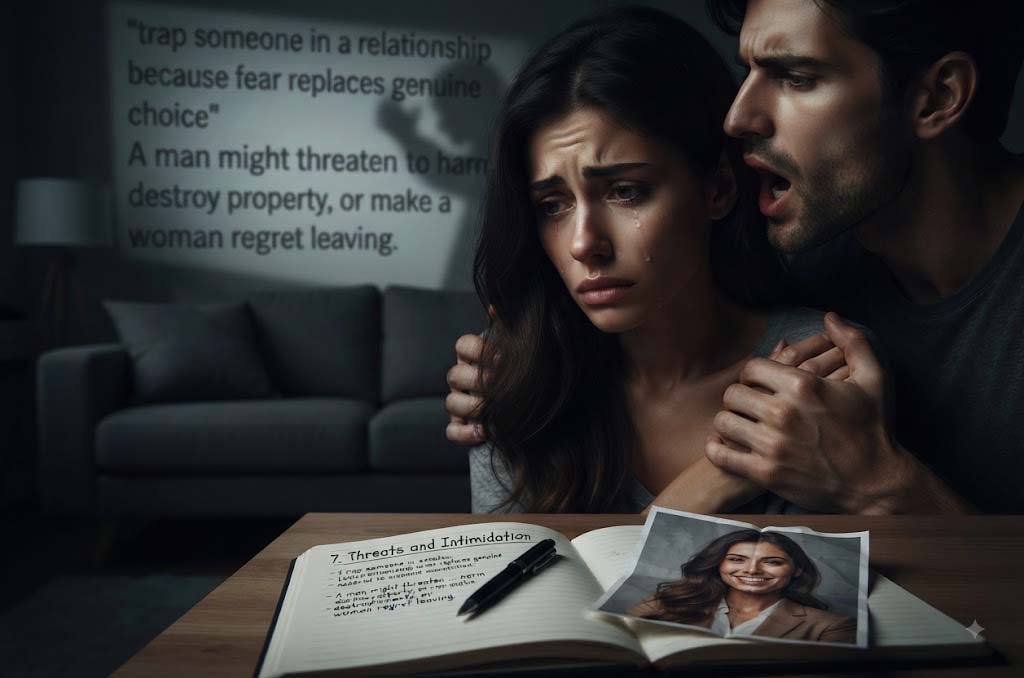
7. Threats and Intimidation
Threats can create an atmosphere of fear even when physical violence has not occurred. A man might threaten to harm himself, hurt someone else, reveal private information, destroy property, or make a woman regret leaving.
Such behavior can trap someone in a relationship because fear replaces genuine choice. Threats should always be taken seriously, especially when there is a history of violence or escalating aggression.
8. Betrayal and Repeated Disrespect
Repeated cheating, lying, public humiliation, or deliberate betrayal can deeply damage emotional security. While relationships can sometimes recover from mistakes, repeated disrespect can create lasting distrust.
A woman may begin believing that she cannot rely on anyone or that she must accept poor treatment to keep a relationship.
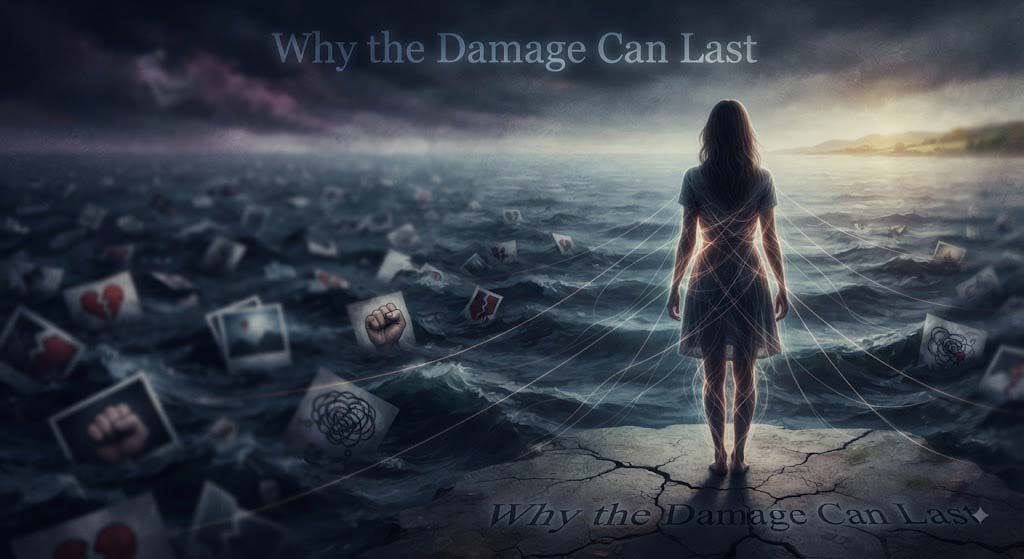
Why the Damage Can Last
The effects of an unhealthy relationship do not necessarily disappear when the relationship ends. A woman may struggle with confidence, trust, independence, or future relationships.
However, being harmed by someone does not mean a woman’s life is permanently destroyed. Support, boundaries, financial independence, counseling, trusted relationships, and professional assistance can help people rebuild their lives.
What Healthy Relationships Should Look Like
A healthy relationship should provide respect rather than fear, communication rather than manipulation, and support rather than control. Both partners should be able to maintain friendships, make personal decisions, express concerns, and disagree without intimidation.
The strongest relationships do not require one person to become smaller so the other can feel powerful.
Final Thoughts
Understanding how men can destroy a woman’s life is ultimately about recognizing harmful behavior, not attacking men as a group. Emotional abuse, manipulation, isolation, financial control, intimidation, and repeated disrespect can have serious consequences, and these patterns deserve attention.
I wrote this article, Dua Qamar, to encourage awareness and honest discussion. Recognizing the warning signs can be an important first step toward protecting personal freedom, dignity, and emotional well-being.
No woman should have to lose herself to keep someone else in her life.
Who This Article Is For
This article is for women who may be experiencing unhealthy behavior in a relationship, as well as friends, family members, and readers who want to understand the warning signs of emotional and controlling relationships. It is also for anyone who believes that abuse should be discussed openly rather than hidden behind the idea that relationship problems are simply private matters.
Why I Wrote This Article
I, Dua Qamar, wanted to write about this subject because harmful relationships are not always easy to recognize from the outside. A woman may appear successful, confident, and happy while privately dealing with fear, manipulation, or emotional exhaustion.
I believe conversations about these experiences can help people identify unhealthy behavior before it becomes more damaging. My goal is not to blame an entire gender, but to highlight behaviors that can destroy trust, confidence, independence, and emotional well-being.
Written by: Dua Qamar


