



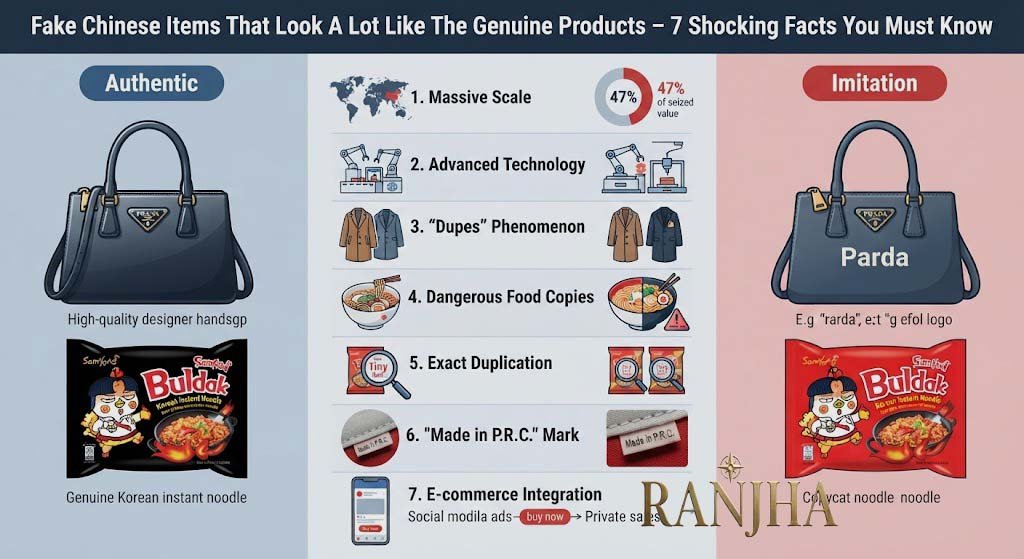
Fake Chinese Items That Look A Lot Like The Genuine Products
You might have spotted a handbag online that looks exactly like a designer original but costs a fraction of the price. Or perhaps you’ve seen instant noodles with packaging nearly identical to a popular Korean brand. These aren’t just cheap knockoffs—they are part of a massive global industry producing counterfeit goods so sophisticated that even experienced shoppers can be fooled.

The Scale of the Problem
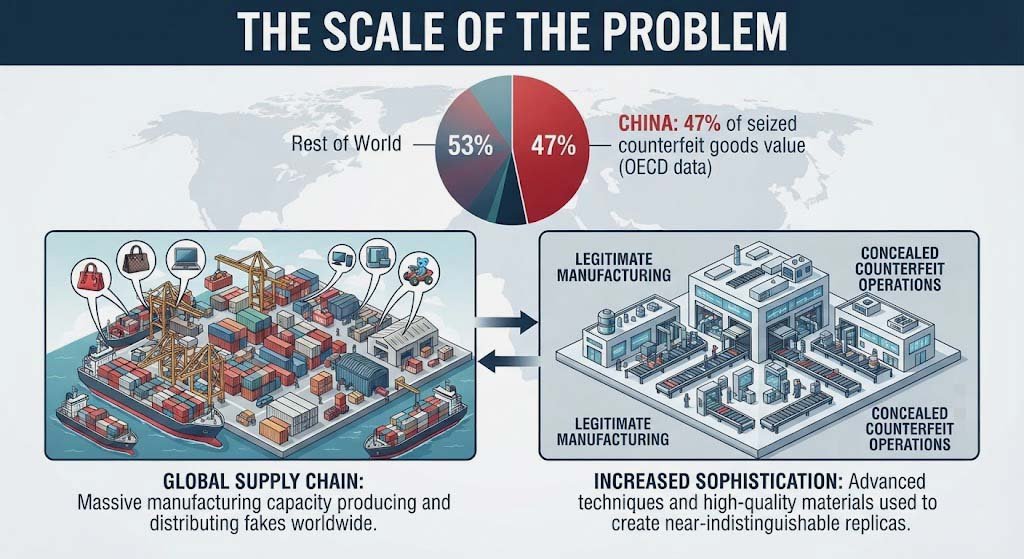
The numbers are staggering. According to OECD data, China accounts for 47% of the value of counterfeit goods seized globally, making it the world’s largest source of fake products . This is driven by the country’s immense manufacturing capacity, which can produce both legitimate goods and their convincing imitations side by side.
The counterfeit market has become increasingly sophisticated. Manufacturers now use advanced production techniques, high-quality materials, and meticulous attention to detail to create replicas that are nearly indistinguishable from the real thing.

The “Dupes” Phenomenon: A New Category
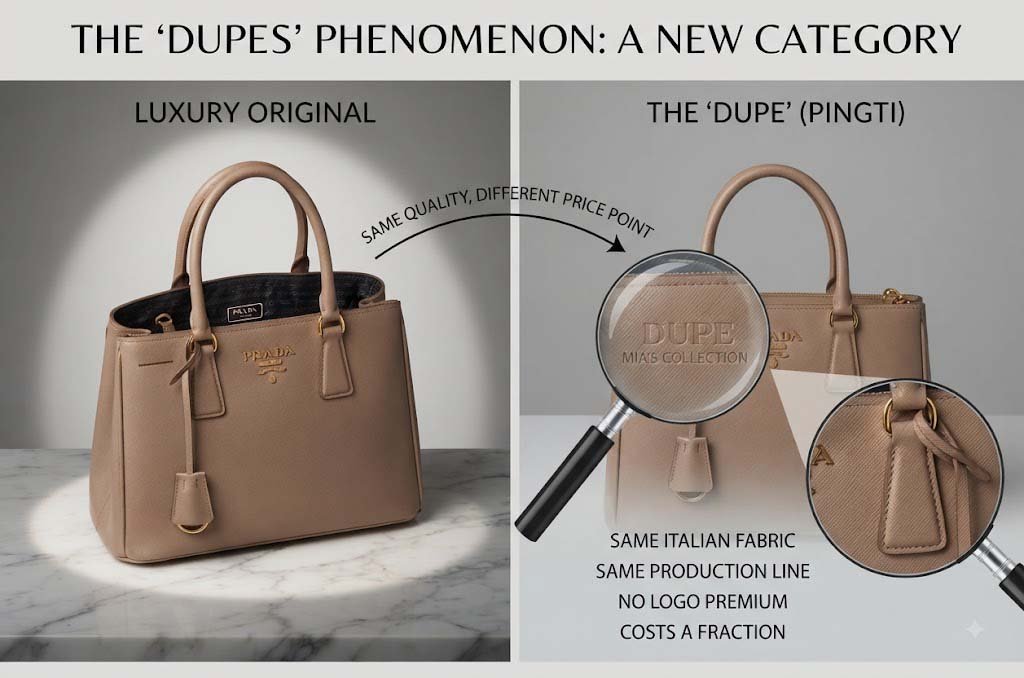
A particularly interesting trend is the rise of “dupes” (or pingti in Chinese)—products that mimic the quality and design of luxury brands without using their logos . These aren’t illegal counterfeits in the traditional sense, but they are incredibly convincing.
For example, Chinese brands now market overcoats made with Italian fabrics sourced from the same suppliers as Prada and Bottega Veneta . Leather goods manufacturers produce handbags that they claim are almost identical to those sold for over $1,000, as they come from the same production lines that manufacture for luxury brand clients .
Counterfeit Food: A Dangerous Imitation
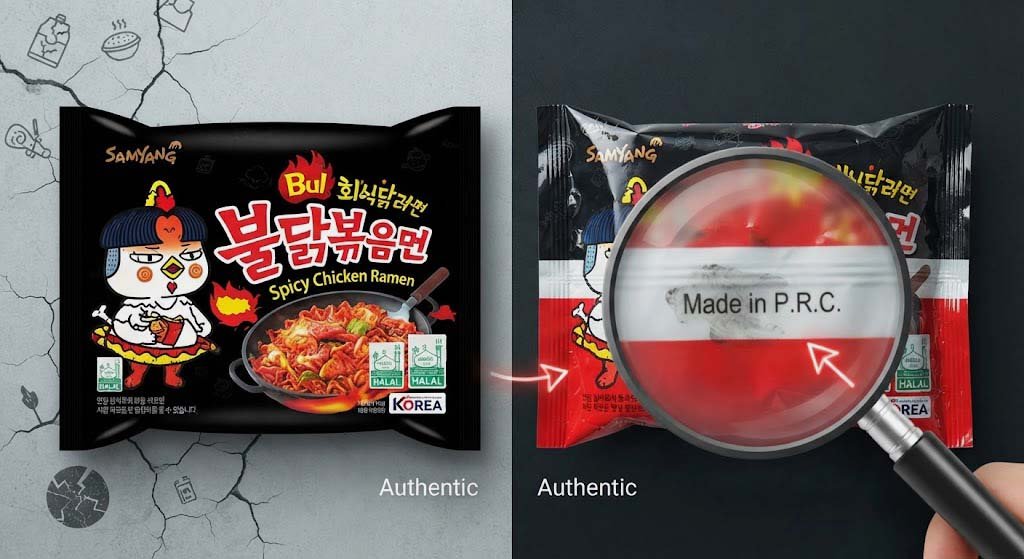
The problem extends beyond fashion into food products—a particularly concerning area because of health risks. Korean food brands are facing a surge in counterfeits in overseas markets . Copycats of iconic products like Samyang’s Buldak Spicy Chicken Ramen are being sold in China with packaging that is almost identical to the originals.
The counterfeiters duplicate everything—the company name, the “KOREA” and “Halal” logos, and even the fonts—making it extremely difficult for consumers to tell the difference . Some packaging even bears a “Made in P.R.C.” mark on the back, revealing its true origin .
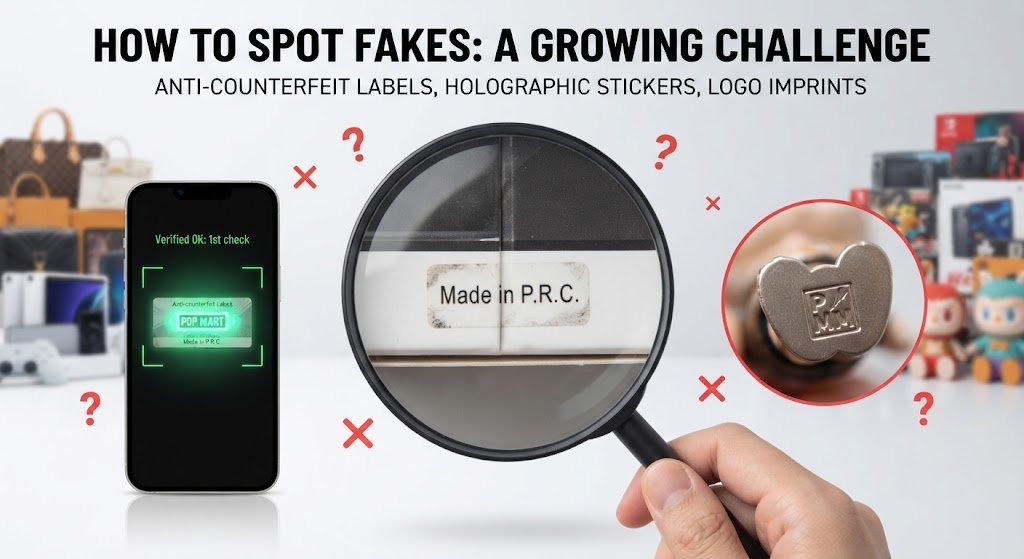
How to Spot Fakes: A Growing Challenge
As counterfeits become more convincing, distinguishing them from genuine products requires vigilance. Some brands have implemented specific anti-counterfeit measures. For example, Pop Mart, a popular Chinese collectible toy brand, has intercepted millions of fake products globally . They recommend consumers check:
Anti-counterfeit labels: The verification code should show it’s being checked for the first time. If it says it has been verified twice or more, it’s likely fake .
Holographic stickers: Authentic boxes feature an exclusive holographic anti-counterfeit sticker .
Logo imprints: Look for a logo steel stamp on the bottom of the products .
However, counterfeiters are constantly adapting, making these verification methods only partially effective .

A Sophisticated and Adaptable Industry
The counterfeit industry in China is not just about copying; it’s a highly organised, tech-savvy sector. Sellers use TikTok and other social media platforms not just for marketing, but as integrated commerce platforms, funnelling consumers into private sales channels . The enforcement of trademark and intellectual property rights in China can fluctuate with the geopolitical climate, making consistent protection a challenge .
Conclusion
The world of fake products from China is a complex ecosystem, ranging from near-identical duplicates of fashion items to dangerous food imitations. As the counterfeiters get more sophisticated, the responsibility increasingly falls on the consumer to be vigilant. Understanding the risks and the tactics used by counterfeiters is the first step in protecting yourself from these convincing deceptions.
About the Author
My name is Dua Qamar, and I am a content writer with a keen interest in consumer protection and global trade issues. I believe that understanding the mechanics of counterfeit markets is essential for making informed purchasing decisions. By highlighting the scale and sophistication of fake products, I aim to empower readers to identify and avoid them.
Why I Wrote This Article:
I wrote this article because the issue of convincing counterfeit products is more prevalent than ever. The rapid expansion of e-commerce and social media has made it easier for fake goods to reach consumers worldwide. I wanted to provide a comprehensive overview of this phenomenon, focusing on the most recent trends and challenges.
How I Approached This Topic:
My research draws on a range of authoritative sources, including reports from the OECD, international news outlets, and consumer protection agencies. I focused on the most current data and examples to provide an accurate picture of this rapidly evolving issue.
Who This Article Is For:
This article is for any consumer who wants to understand the risks of counterfeit goods in today’s global marketplace. It is also for anyone interested in the intersection of trade, manufacturing, and intellectual property.
The Message I Hope Readers Take Away:
The threat of counterfeit goods is real and growing, but knowledge is your best defense. By staying informed about the tactics used by counterfeiters, you can make safer purchasing decisions and protect yourself from deception.
Written by: Dua Qamar


