



The Last Male Northern White Rhino: A Symbol of Extinction and Hope
Introduction
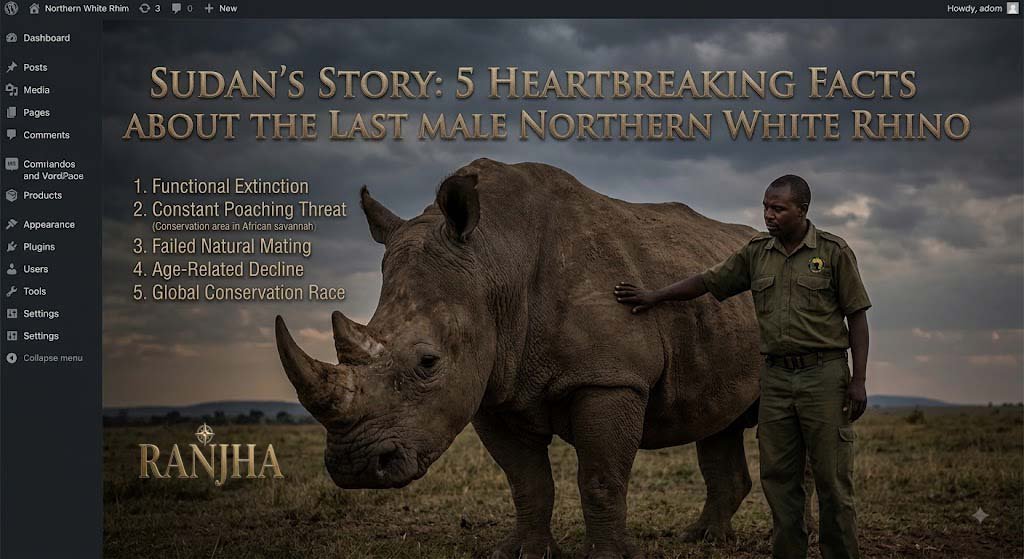
On March 19, 2018, the world lost a symbol of a tragedy unfolding before our eyes. Sudan, the last male northern white rhino, was euthanized at the Ol Pejeta Conservancy in Kenya at the age of 45 . His death marked a turning point—the northern white rhino subspecies became functionally extinct, with only two females remaining on Earth .
Sudan was not just a rhino. He was a global ambassador, a living reminder of the devastating impact of poaching, and a catalyst for cutting-edge conservation science . This is his story, and the story of the race to save his kind.

From the Wild to a Global Icon
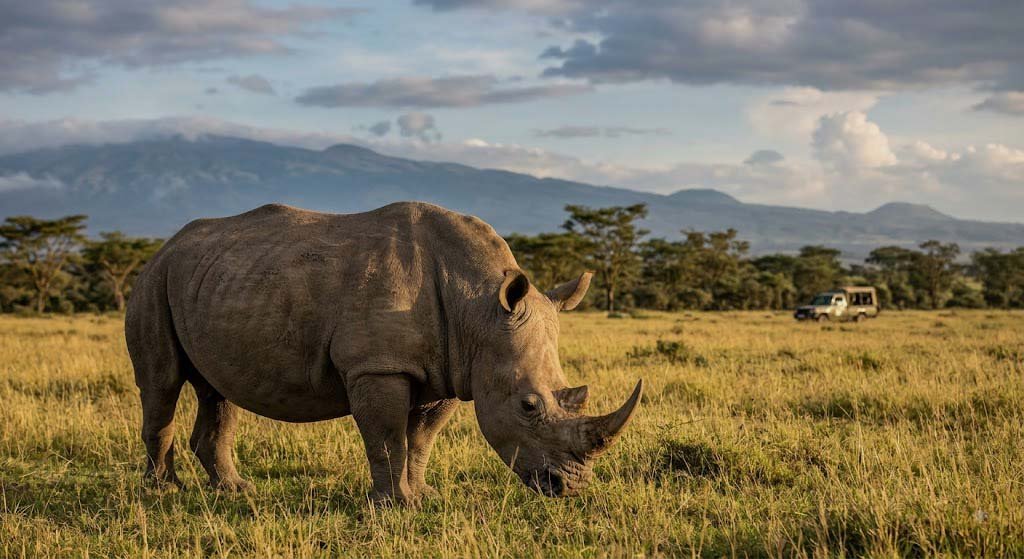
Sudan was born in 1973 in the wilds of Shambe, South Sudan . At that time, approximately 700 northern white rhinos still roamed parts of Central and East Africa . By the time he was taken to the Dvůr Králové Zoo in the Czech Republic, the world had changed around his species.
The northern white rhino population was decimated by the poaching crisis of the 1970s and 1980s, fuelled by the demand for rhino horn in traditional Asian medicine and for dagger handles in Yemen . A final wild population of about 20-30 rhinos in the Democratic Republic of Congo was killed in the fighting of the late 1990s and early 2000s. By 2008, the northern white rhino was considered extinct in the wild .
Sudan’s life at the zoo may have saved him from this fate. In 2009, he was part of a desperate, last-ditch effort to save his species. He and three other northern white rhinos were airlifted from the Czech Republic to Kenya’s Ol Pejeta Conservancy, in the hopes that the wild African savannah would stimulate breeding .
The Last Male Standing
At Ol Pejeta, Sudan, along with the other rhinos, was placed under 24-hour armed guard to protect him from poachers . He became an international celebrity, attracting visitors from around the world. In a unique campaign to raise funds for fertility treatments, conservationists even created a profile for him on the popular dating app Tinder .
Despite hopes that the conditions at Ol Pejeta would encourage breeding, and despite observed mating, there were no successful pregnancies . The other male rhino, Suni, died of natural causes in 2014, leaving Sudan as the last male of his kind .
Sudan’s health declined in his final years. He suffered from age-related complications that led to degenerative changes in his muscles and bones, combined with extensive skin wounds . When his condition worsened significantly in March 2018, the veterinary team made the difficult decision to euthanize him .
Sudan’s Legacy: A Race Against Extinction
Sudan’s death was heartbreaking, but his legacy is one of action and hope . He leaves behind his biological daughter, Najin, and his granddaughter, Fatu, the last two northern white rhinos on the planet . Neither can carry a pregnancy naturally, making their subspecies functionally extinct from a natural breeding standpoint .
His genetic material, along with that of other northern white rhinos, has been preserved . This has become the foundation of an international scientific mission. The BioRescue consortium, a team of scientists and conservationists, is using advanced assisted reproductive technologies (aART) to attempt what has never been done before .
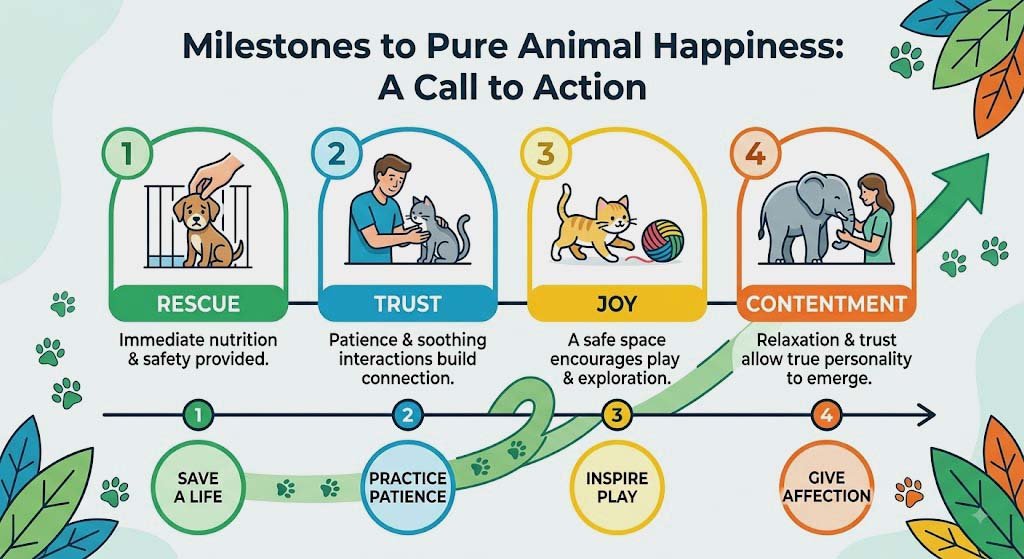
Key milestones in this mission include:
Embryo Production: Scientists have successfully collected egg cells from Fatu and fertilized them with preserved sperm, producing 39 pure northern white rhino embryos to date .
Embryo Transfer: The BioRescue team has conducted embryo transfer procedures, placing northern white rhino embryos into southern white rhino surrogate mothers at Ol Pejeta . While these attempts have not yet resulted in long-term pregnancies, the team remains optimistic and is learning from each procedure .
The Future: Beyond IVF, the project is exploring stem cell associated techniques to establish in vitro gametogenesis, which could enable even greater genetic diversity .
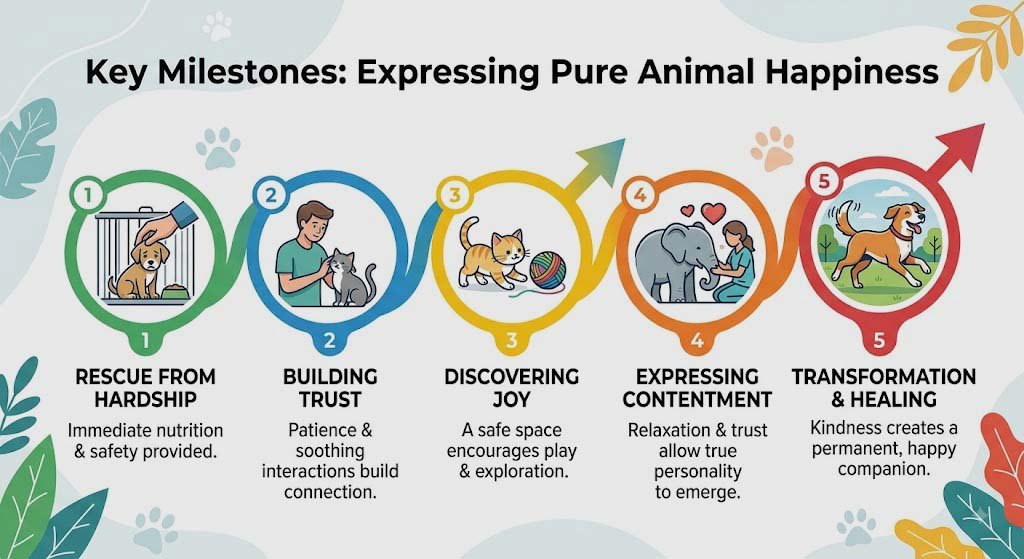
A Call to Action
Sudan’s story is a stark reminder of the consequences of human actions. Poaching, habitat loss, and conflict have pushed this magnificent subspecies to the brink. His caregiver, James Mwenda, noted, “I believe Sudan’s legacy is for us to open our eyes and see the reality of what extinction is” .
The efforts to save the northern white rhino are a testament to our capacity for both destruction and redemption. They highlight the power of science, the dedication of conservationists, and the importance of protecting our planet’s biodiversity. While the future of the northern white rhino is uncertain, Sudan’s legacy provides a powerful catalyst for change, and a glimmer of hope that one day, a new generation of northern white rhinos may once again roam the African plains .
About the Author
My name is Dua Qamar, and I am a content writer deeply passionate about wildlife conservation, environmental stories, and the incredible individuals fighting to protect our planet.
Why I Wrote This Article:
I wrote this piece because the story of Sudan, the last male northern white rhino, is one of the most profound and urgent conservation stories of our time. It forces us to confront the reality of human-induced extinction while also showcasing the remarkable ingenuity and dedication of scientists and rangers who refuse to give up hope.
How I Approached This Topic:
I researched the key events surrounding Sudan’s life and the global efforts to save his subspecies, drawing on reports from conservation organizations and news outlets. I focused on telling the story of his symbolic life and the groundbreaking science that offers a glimmer of hope.
Who This Article Is For:
This article is for anyone who cares about wildlife, is interested in conservation success stories, or wants to understand the complex battle to protect endangered species.
The Message I Hope Readers Take Away:
Sudan’s story is a powerful reminder that extinction is not just a distant concept but a reality we can witness in our lifetime. However, it also shows that with science and determination, we can fight for a future where these magnificent creatures can survive.
Written by: Dua Qamar


