



The Most Dangerous Road In The World
Introduction
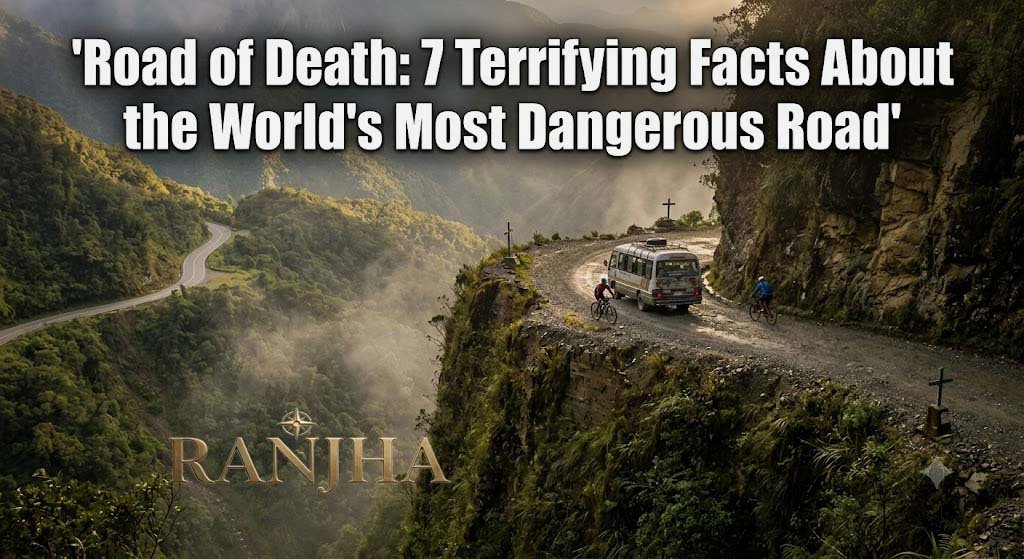
Deep in the Bolivian Andes, carved into sheer mountain cliffs, lies a road that has earned a reputation so fearsome it is simply known as “Death Road” . Formally called the North Yungas Road, this 64-kilometre track connects the capital city of La Paz to the Yungas region of the Amazonian jungle . In its deadliest years, it claimed between 200 and 300 lives annually, earning the dubious distinction of being the world’s most dangerous road .
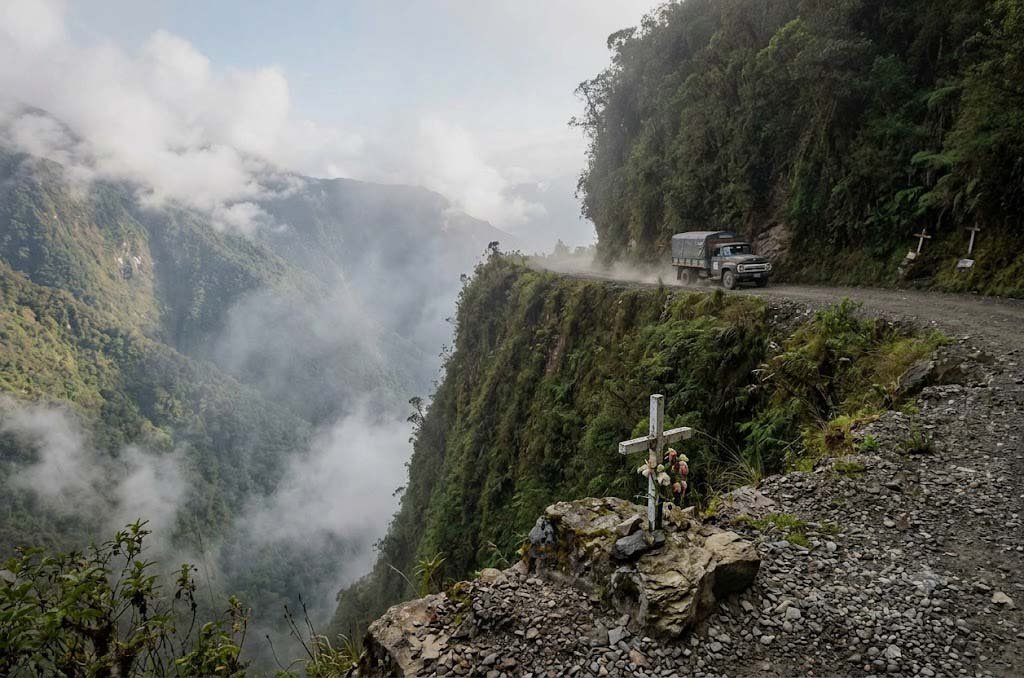
What makes this road so lethal is a terrifying combination of factors. The gravel track is barely three metres wide in places, with sheer drops of up to 600 metres on one side and no guardrails or safety barriers to prevent vehicles from plunging off the edge . Hairpin bends, blind corners, frequent fog, and heavy rain further compound the danger . As one travel guide warns, “A single mistake could send you plunging down a steep cliff.”

A History of Death
Constructed by Paraguayan prisoners of war during the 1930s, the Yungas Road was originally built to enable deliveries between the highlands and the lowlands of Bolivia . For decades, it served as a vital transport link, but the death toll mounted relentlessly. The Inter-American Development Bank officially named it “the most dangerous road in the world” .
The most tragic single incident occurred in 1983, when a bus hurtled off the road and into a canyon, killing over 100 passengers in what remains Bolivia’s worst road accident to date . Today, crosses are scattered along the route as grim memorials to the lives claimed by the road’s unforgiving terrain .
A Safer Alternative
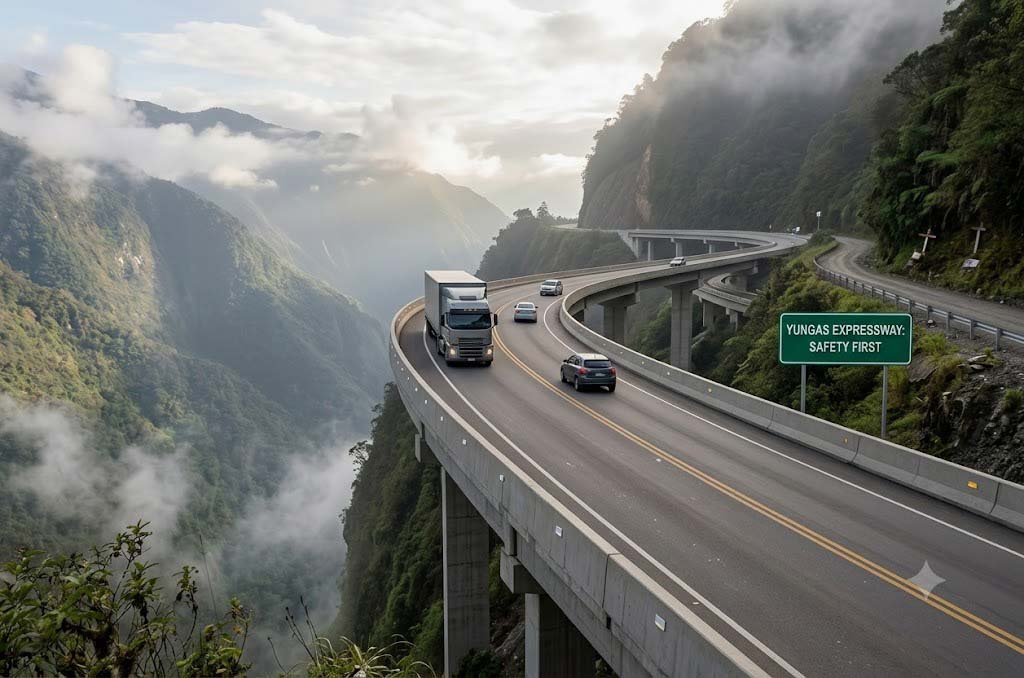
Thankfully, vehicle traffic on the Yungas Road is now far lighter. A safer, modern highway was completed in 2007, reducing traffic on the “Death Road” by approximately 90 percent and ending the tragically high death toll it once bore . However, the road still sees around five fatalities per year, a reminder that its dangers remain very real .

A Thrill-Seeker’s Paradise
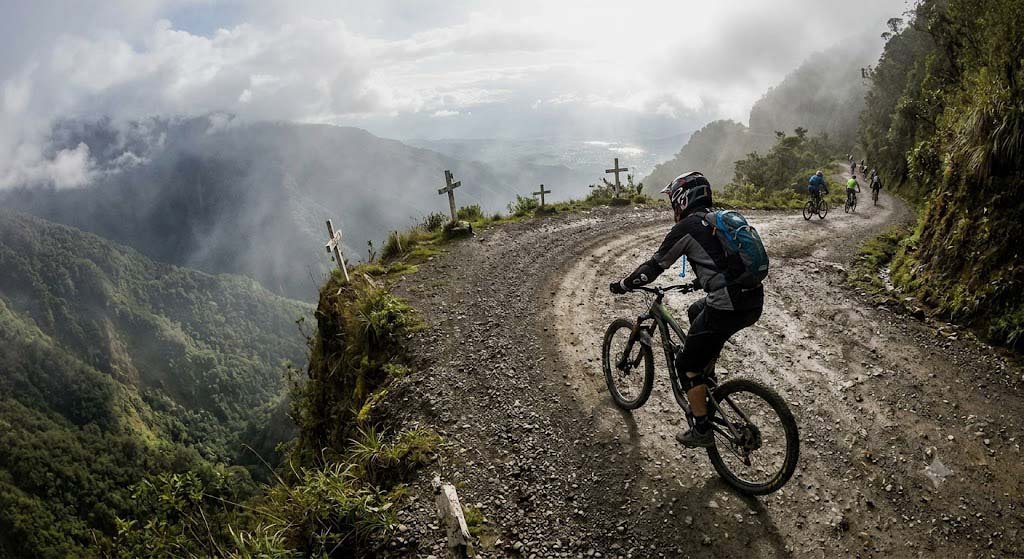
Today, the Yungas Road has found a new purpose. Instead of freight trucks and buses, it is now a popular cycling route, attracting thousands of adventure tourists each year . Tour companies in La Paz offer guided mountain bike descents down the 11,000-foot plunge from the Andean highlands to the Amazonian lowlands .
The experience is not for the faint-hearted. Riders navigate loose gravel, treacherous hairpin bends, and cliff edges with no barriers. Before setting out, many guides say a small prayer to Pachamama (Mother Earth) and offer a shot of high-proof local moonshine—a spiritual tradition to calm the nerves and honour the road’s deadly history .
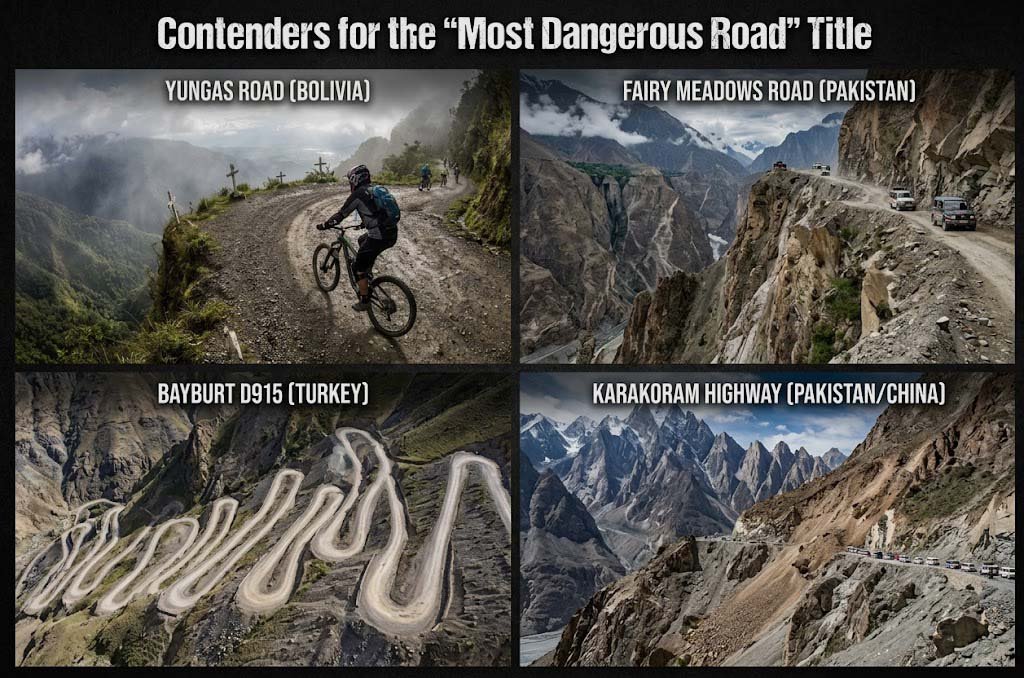
Other Contenders for the Title
While the Yungas Road is the most famous and notorious, it is not the only dangerously lethal road in the world. Several other routes compete for this unwanted title :
Fairy Meadows Road, Pakistan: This unpaved mountain track leads to a remote area known as “paradise on earth.” It is so narrow and precarious that there are no guardrails to prevent vehicles from plunging off cliffs . One traveller described the journey as “truly horrifying” .
Bayburt D915, Turkey: This 66-mile mountain road is famous for its 29 sharp hairpin turns and the absence of safety barriers. Because of its dangerous layout and steep cliffs, many travelers have nicknamed it the **”highway to hell.”** It was built by forced labour in 1916 and remains one of the most challenging drives in the world .
Karakoram Highway, Pakistan/China: This high-altitude road through the Karakoram mountain range is frequently subject to landslides, flash floods, and extreme weather. In 2026, it was blocked for days, stranding thousands of travellers .
Conclusion
The North Yungas Road is widely regarded as the world’s most dangerous and infamous road. Its combination of narrow width, sheer drops, lack of safety barriers, and extreme weather conditions created a death trap that claimed hundreds of lives annually for decades. While a safer alternative has reduced vehicle traffic, the road’s legacy as “Death Road” endures. Today, it attracts thrill-seekers from around the world who come to experience the terrifying descent—and to pay their respects to the crosses that line the route.
About the Author
My name is Dua Qamar, and I am a content writer passionate about travel, adventure, and the stories behind the world’s most extreme places.
Why I Wrote This Article:
I wrote this piece because the “Death Road” in Bolivia is one of the most fascinating yet terrifying places on Earth. I wanted to explore its history, its dangers, and the strange transformation it has undergone from a commercial route to a tourist attraction. The story of the road reflects broader themes of human perseverance, risk, and the complex relationship we have with danger.
How I Approached This Topic:
My research involved examining multiple sources, including travel reports and news articles, to present an accurate and comprehensive picture of the Yungas Road and its history.
Who This Article Is For:
This article is for adventure travellers, history enthusiasts, and anyone curious about the world’s most extreme places.
The Message I Hope Readers Take Away:
The world is full of places that test the limits of human endurance and courage. The “Death Road” is a testament to both the dangers of the natural world and the bravery of those who choose to confront them.
Written by: Dua Qamar


