


Meet Uncle Fatty: The Monkey That Captured Visitors’ Attention
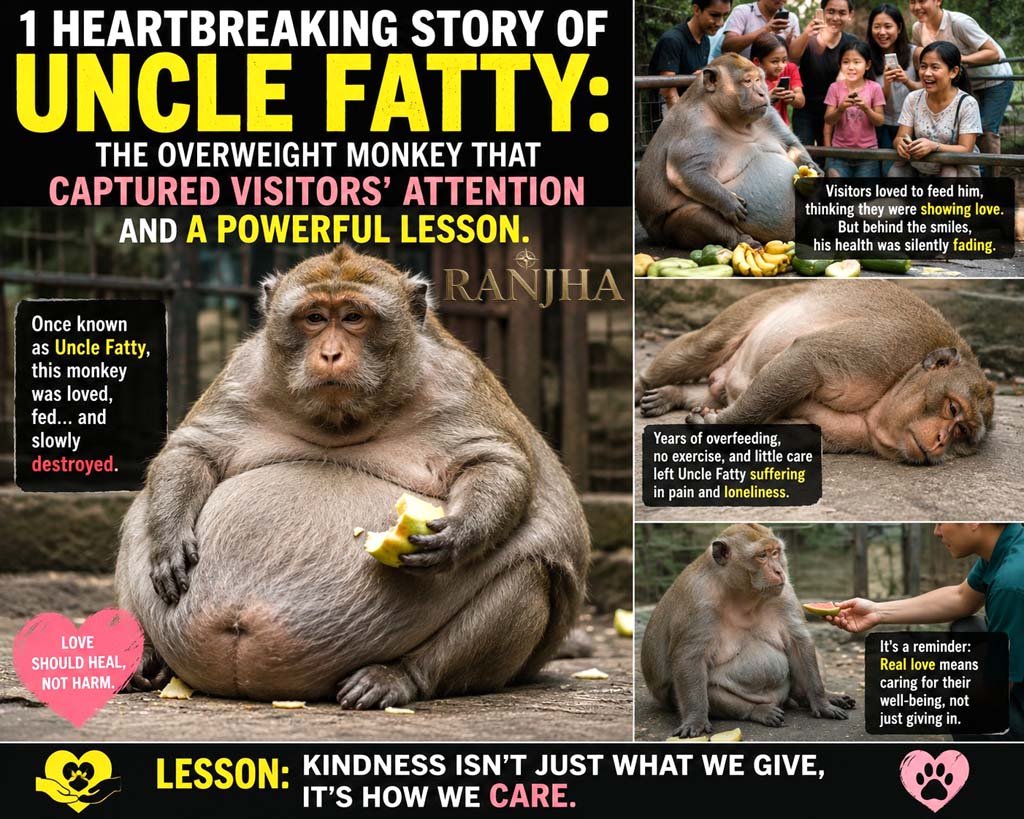
Thailand is known for its stunning beaches, lively markets, unique traditions, and rich wildlife. People from around the world visit the country to enjoy its natural beauty and see wild animals in their own habitats. One monkey, however, became famous for an unusual reason. He was called Uncle Fatty, and his large body made him stand out from the other monkeys living nearby.
His story is more than just an interesting tale. It reminds us that giving human food to wild animals can seriously affect their health and change the way they live.

Who Was Uncle Fatty?
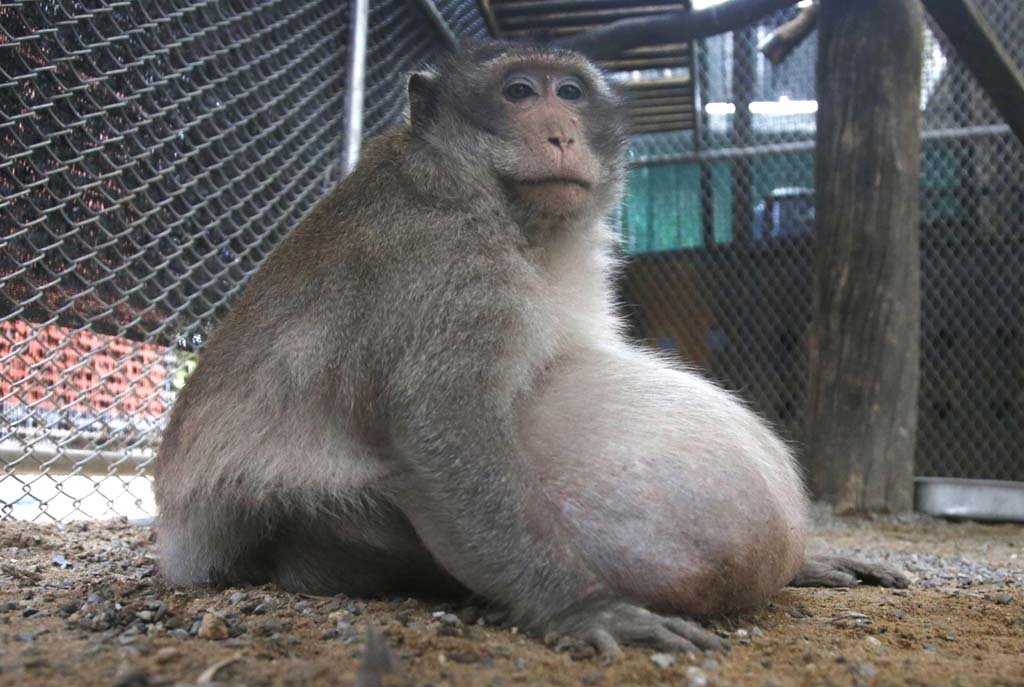
Uncle Fatty was a macaque that made his home close to a floating market in Bangkok. Visitors easily recognized him because he was much heavier than the other monkeys in the area.
Instead of depending only on natural foods like fruits, leaves, seeds, and insects, he often received snacks from tourists. People regularly offered him chips, bread, biscuits, sugary drinks, and other processed foods that were never meant for wild animals.
As the years passed, this unhealthy diet caused him to gain a large amount of weight.

Why Did He Become Famous?
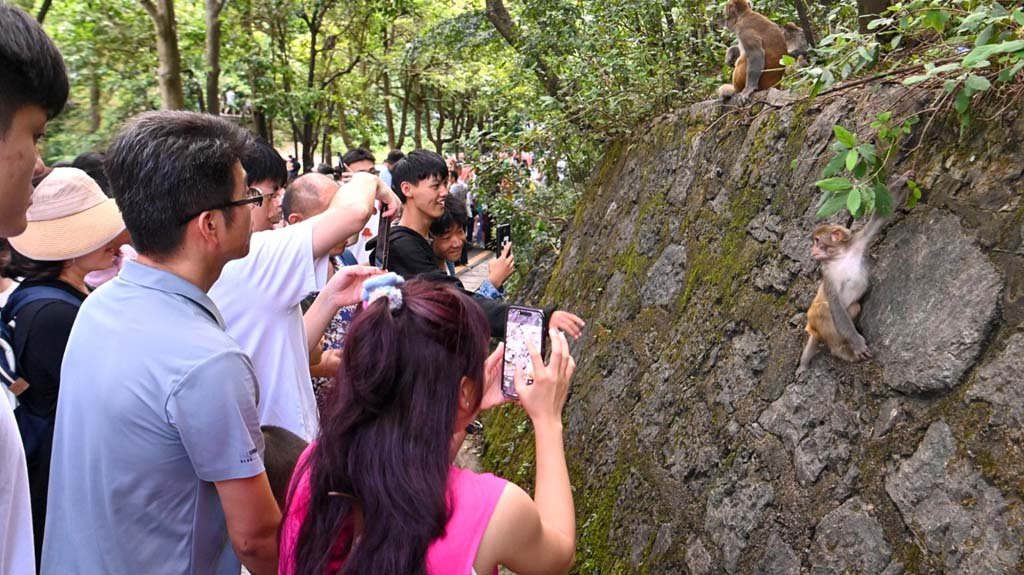
Pictures and videos of Uncle Fatty quickly spread across the internet. Many people were surprised by his appearance, and his photos were shared by thousands of social media users.
While some visitors thought his size was amusing, wildlife specialists saw a different problem. They believed his condition showed the harmful effects of feeding wild animals with food made for humans.
His story became a reminder that even well-meaning actions can negatively affect wildlife.

How Human Food Changed His Life
Wild monkeys normally spend much of the day climbing, exploring, and searching for food.
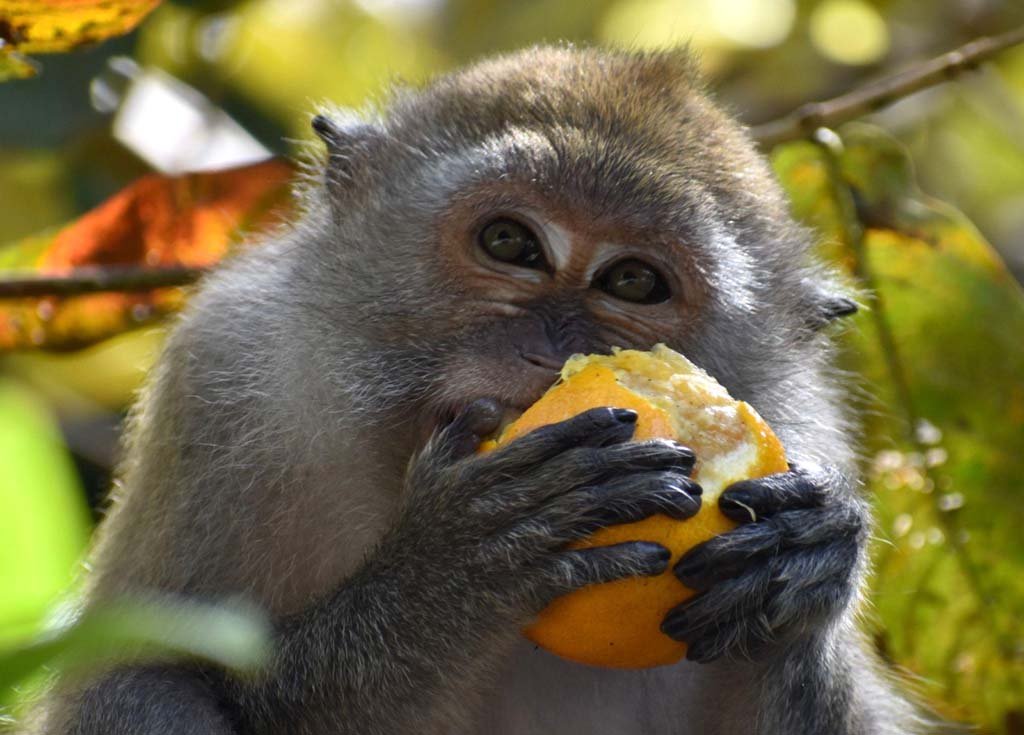
Once tourists began feeding Uncle Fatty every day, he no longer needed to spend as much time finding food in nature. Most of the snacks he received were high in sugar, salt, and unhealthy fats.
Over time, this poor diet caused him to become overweight. Carrying extra weight made it more difficult for him to climb, move quickly, and behave like other monkeys.
Experts Decided to Help
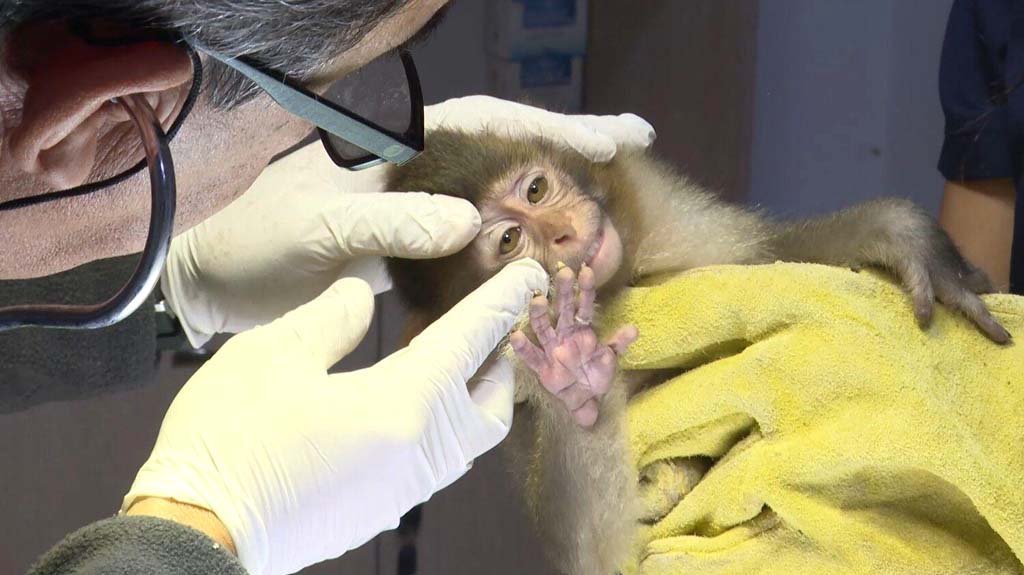
As Uncle Fatty became more well known, wildlife officials became concerned about his health. They were concerned that his condition would keep getting worse if he continued living the same way.
For a period of time, he was cared for by animal experts who introduced a healthier meal plan. They fed him fruits, vegetables, and other natural foods while encouraging him to stay active.
Their aim was to improve his health and help him return to a more natural lifestyle.

Why Feeding Wild Animals Is Harmful
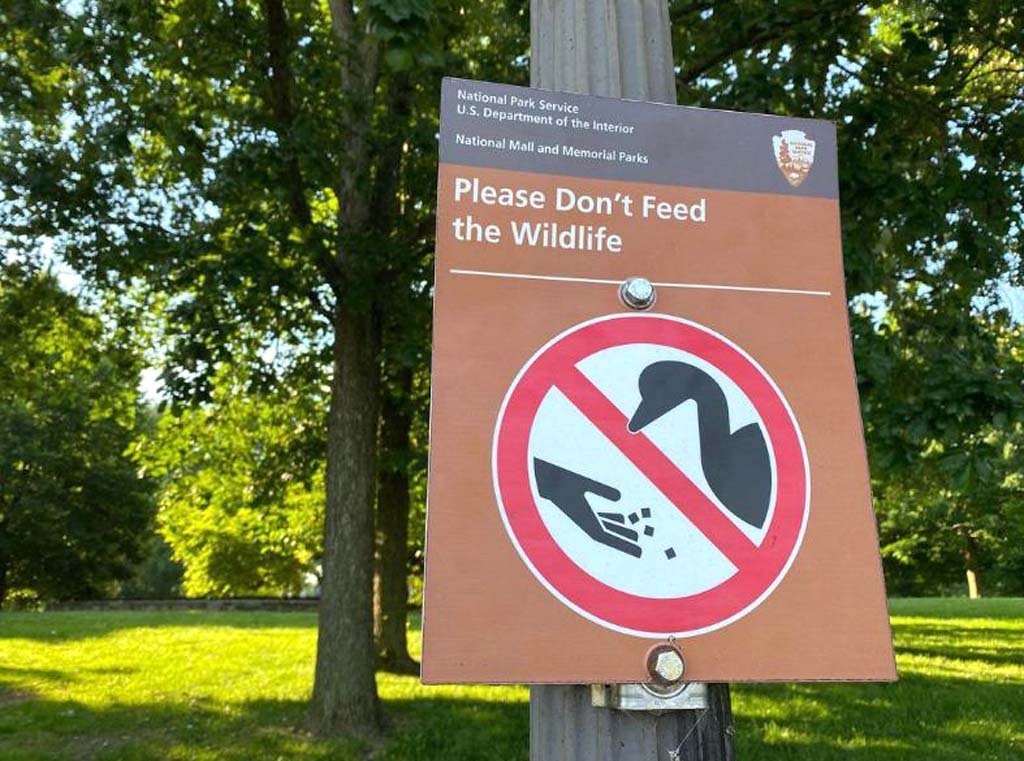
Many people believe feeding wild animals is an act of kindness. However, it often creates problems instead of helping.
Animals that receive regular meals from humans may stop searching for their own food. Over time, they may stop searching for food themselves and depend on visitors instead.
Some animals also become comfortable approaching people, which may increase the risk of accidents, injuries, or conflicts.

Natural Food Is Always Better
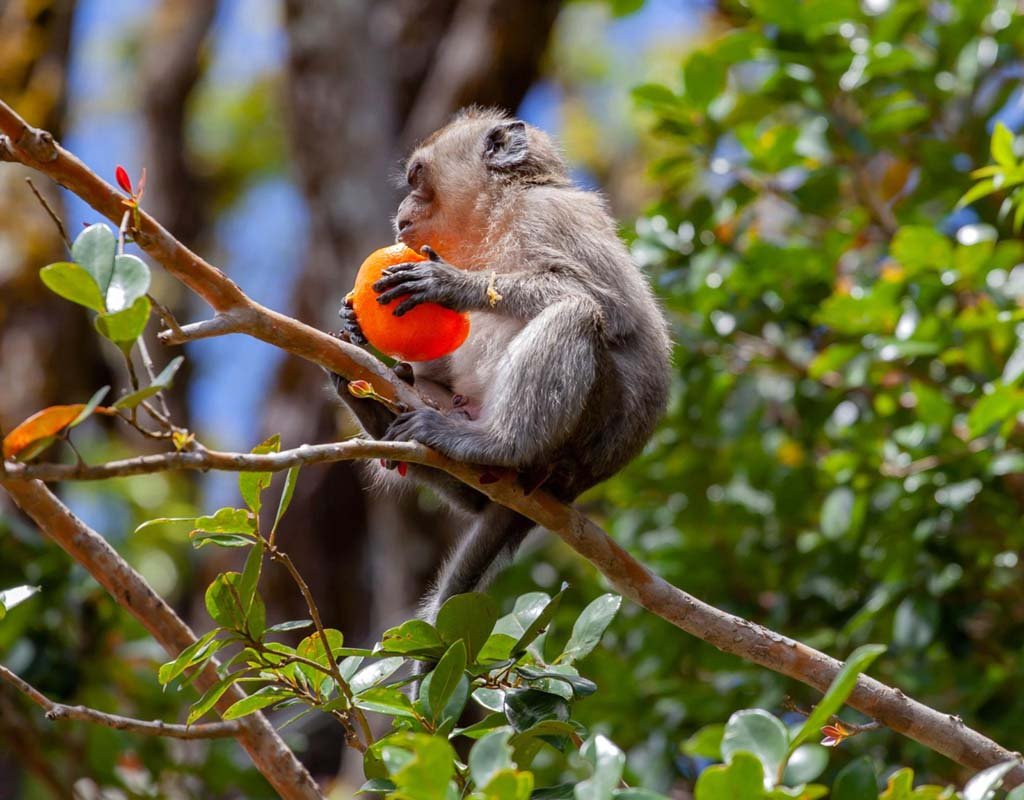
Every animal has a diet that suits its body. Wild monkeys naturally eat fruits, leaves, flowers, seeds, and insects that provide the nutrients they need.
Human snacks are usually full of ingredients that are unhealthy for wildlife. Regularly eating processed food can lead to obesity, low energy, and other health issues.
Allowing wild animals to eat their natural food is the best way to keep them healthy.

How Visitors Can Protect Wildlife
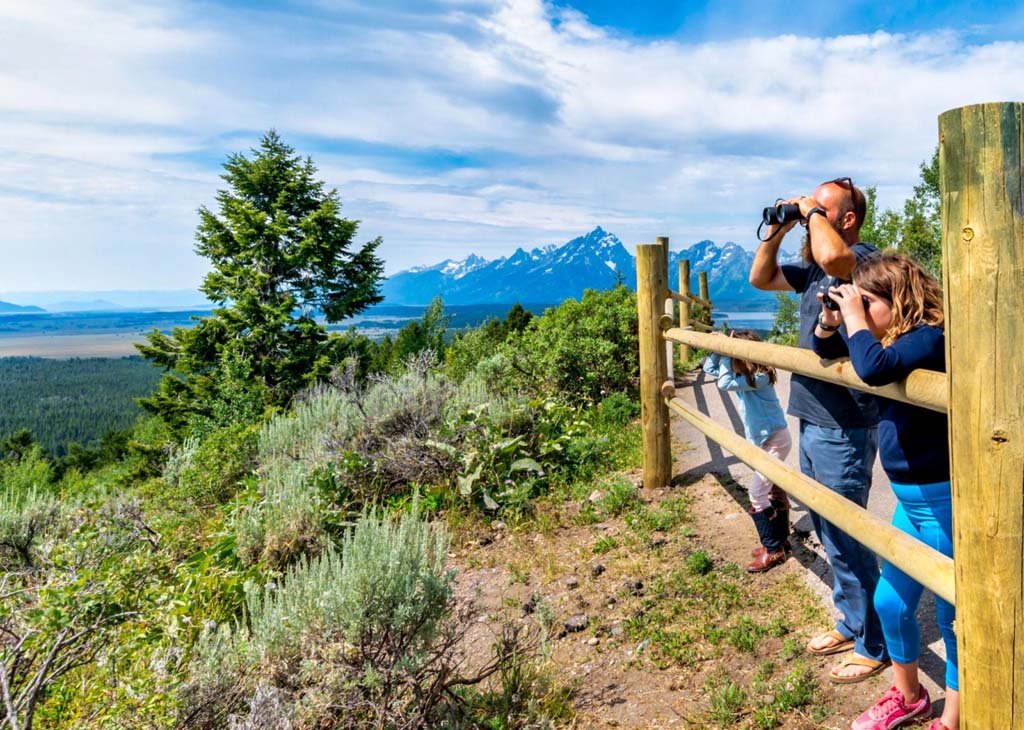
People can still enjoy seeing wild animals without feeding them. Watching them from a respectful distance allows them to continue their normal behavior without becoming dependent on humans.
Taking photographs, following park rules, and respecting wildlife habitats are easy ways to support conservation.
Even small responsible actions can help protect animals and their environment for many years.
The Lesson Uncle Fatty Teaches
Uncle Fatty’s experience shows that good intentions do not always lead to good results. Although one snack may seem harmless, repeated feeding by many visitors can seriously affect an animal’s health.
His story reminds us that the best way to care for wildlife is to let animals live naturally and find their own food.
Everyone Can Help Protect Wildlife

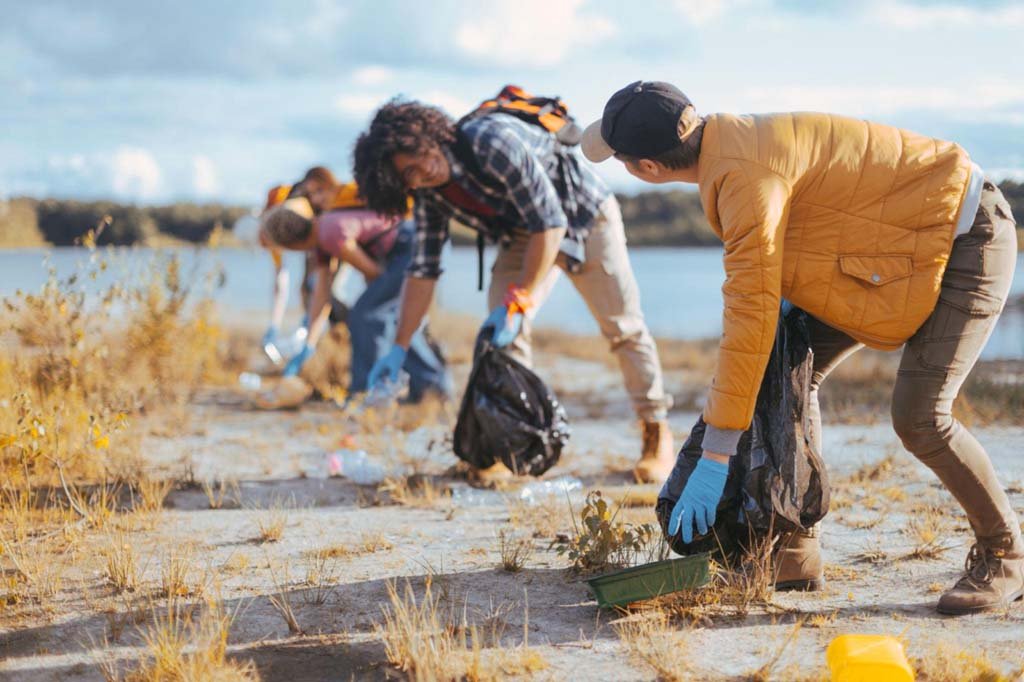
Wild animals are a valuable part of nature. Healthy wildlife helps keep forests and ecosystems balanced.
Protecting animals is a shared responsibility. Governments, wildlife specialists, local communities, and tourists can all make a difference by respecting conservation rules and avoiding feeding wild animals.
Allowing wildlife to remain independent is one of the best ways to protect them.
Conclusion
Uncle Fatty became well known because of his unusual appearance, but his story carries a much deeper message. It shows how human food can change the health and natural behavior of wild animals.
Rather than feeding wildlife, we should enjoy observing animals from a safe distance and allow them to live as nature intended. Responsible tourism helps protect both animals and their habitats.
Uncle Fatty’s story reminds us that caring for wildlife sometimes means simply respecting nature and letting animals thrive on their own. Small, thoughtful choices from each of us can make a lasting difference for wildlife around the world.


