



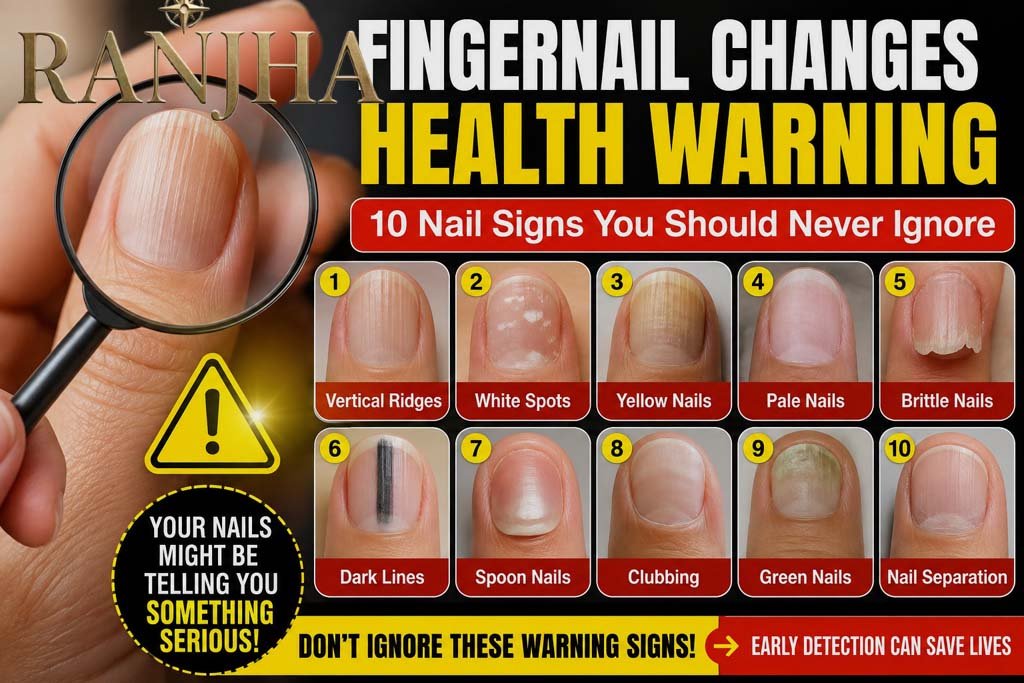
Changes in Your Fingernails: What They May Reveal About Your Health
Your fingernails do more than protect your fingertips and help with everyday tasks. They can also provide clues about your overall well-being. While many nail changes happen because of aging, injuries, or frequent exposure to water and chemicals, some fingernail changes may point to underlying health conditions that deserve attention.
Not every unusual mark or color means something serious, but paying attention to noticeable or long-lasting changes can help you identify potential problems early. If a nail change is persistent, painful, or appears along with other symptoms, it is always best to consult a healthcare professional for an accurate diagnosis.
Why Fingernails Reflect Your Health

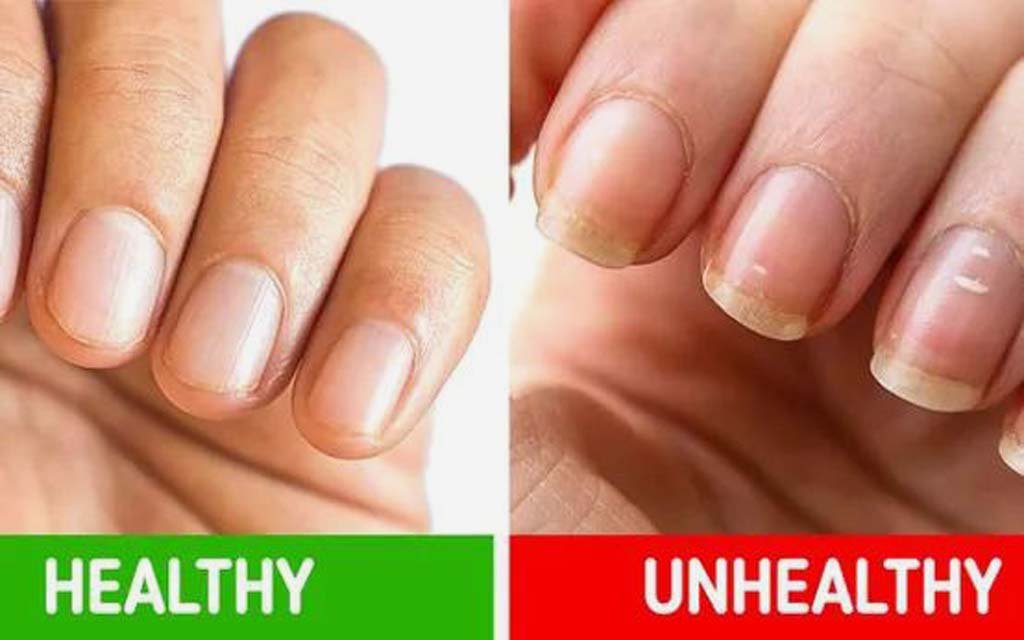
Healthy nails are usually smooth, firm, and light pink in color. Since nails grow slowly over time, they can sometimes show signs of changes happening inside the body.
Certain illnesses, nutritional deficiencies, infections, or medical conditions may affect nail growth, shape, or color. This is why fingernail changes can sometimes serve as an early warning sign.
1. Yellow Nails
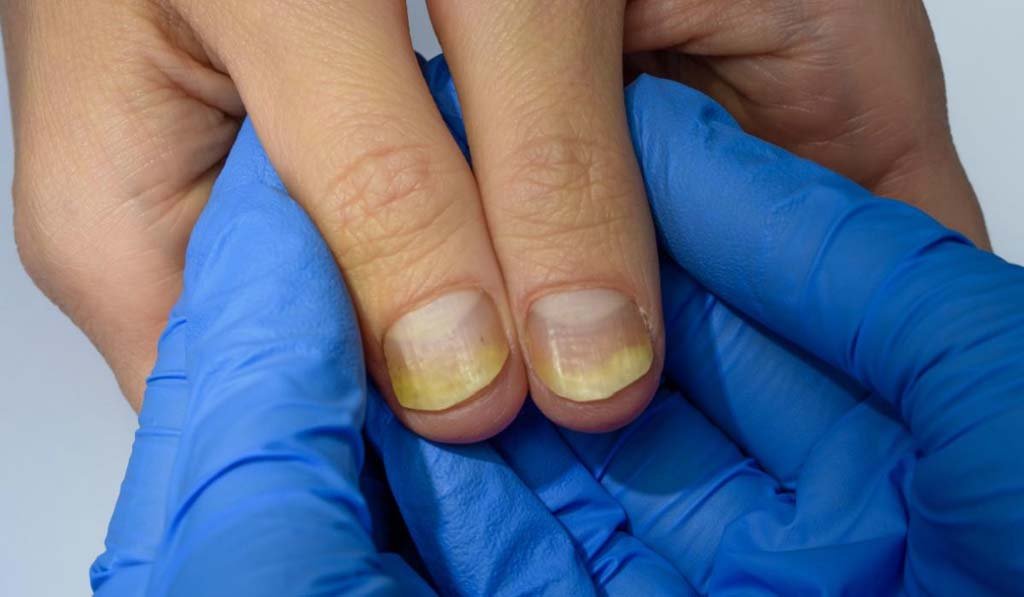
A yellow tint on the nails is frequently caused by a fungal infection. In some cases, they may also appear because of smoking, frequent use of nail polish, or certain medical conditions.
If the yellow color continues despite proper nail care, a medical evaluation may be helpful.
2. White Spots

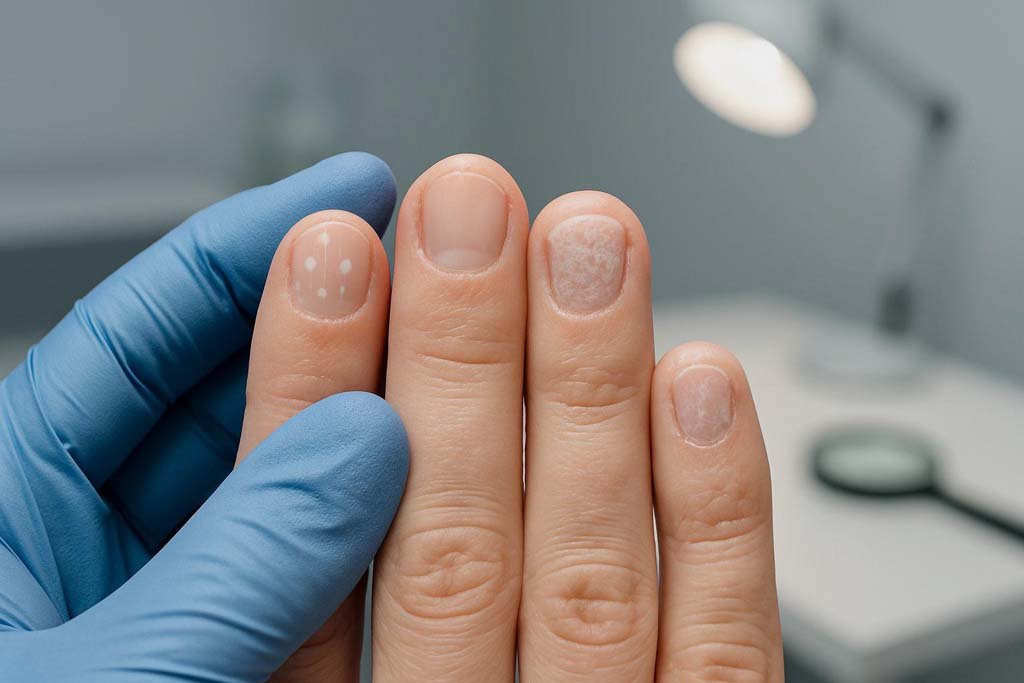
Small white spots usually develop after minor injuries to the nail and often disappear as the nail grows.
However, widespread discoloration or changes affecting several nails may require medical attention.
3. Brittle or Cracked Nails
Dry, fragile nails can result from repeated exposure to water, cleaning products, or aging.
Sometimes, fingernail changes like constant brittleness may also be associated with vitamin deficiencies or thyroid disorders.
4. Dark Lines Under the Nail

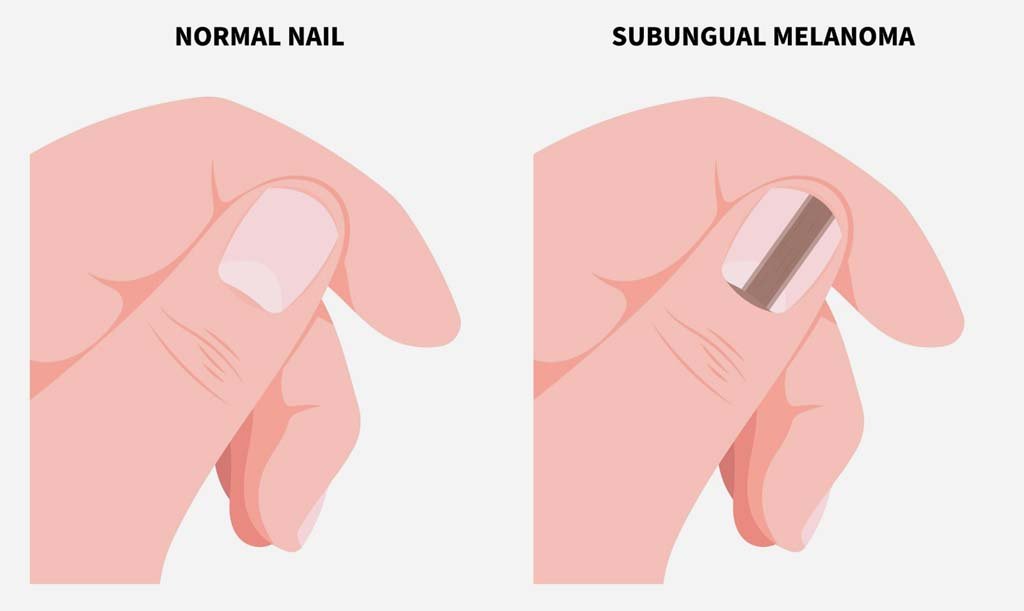
A dark streak beneath the nail can occasionally result from an injury.
However, if the line appears without trauma or changes in size or color, it should be examined by a healthcare provider, as some serious conditions can also cause this appearance.
5. Spoon-Shaped Nails
When nails become thin and curve upward, they are often called spoon nails.
This nail shape has been linked to iron deficiency in some individuals, although other conditions may also contribute.
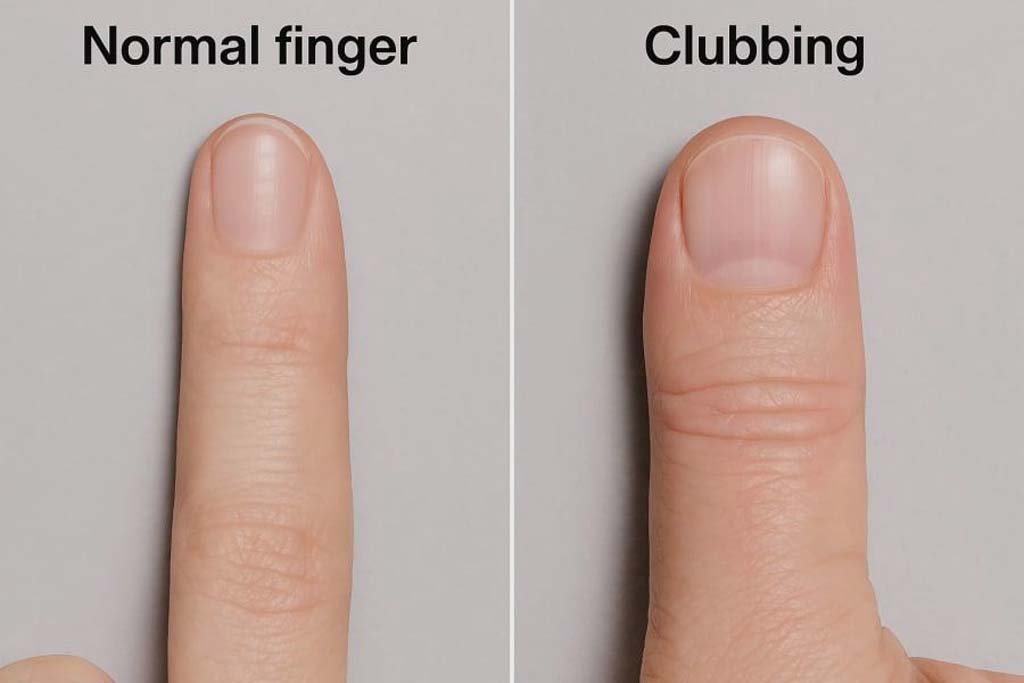
6. Clubbed Fingertips
Clubbing causes the fingertips to enlarge while the nails curve downward.
Although uncommon, this type of fingernail changes may occur alongside certain heart or lung diseases and should always be evaluated by a medical professional.
7. Horizontal Grooves
Deep horizontal lines that run across the nail may appear after severe illness, high fever, or significant physical stress.
These grooves usually move outward as the nail grows.
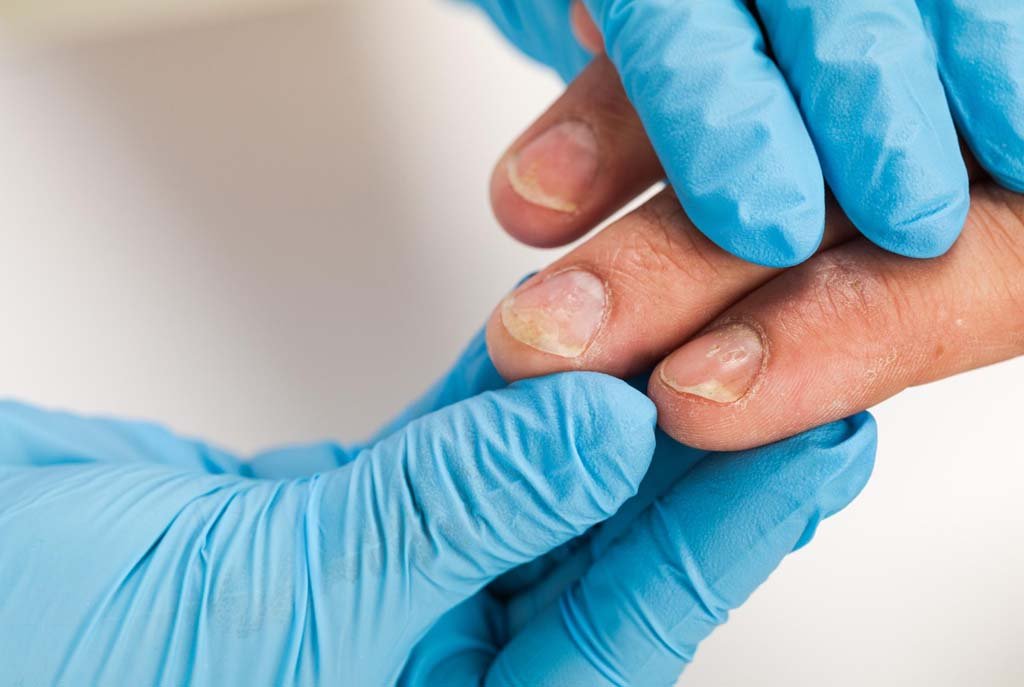
8. Pitting

Tiny dents across the nail surface are called pitting.
They may occur with certain skin conditions such as psoriasis or other inflammatory disorders.
9. Blue or Purple Nails
A bluish nail color can sometimes indicate that the body is not receiving enough oxygen.
Cold temperatures may temporarily cause this appearance, but persistent discoloration deserves prompt medical evaluation.
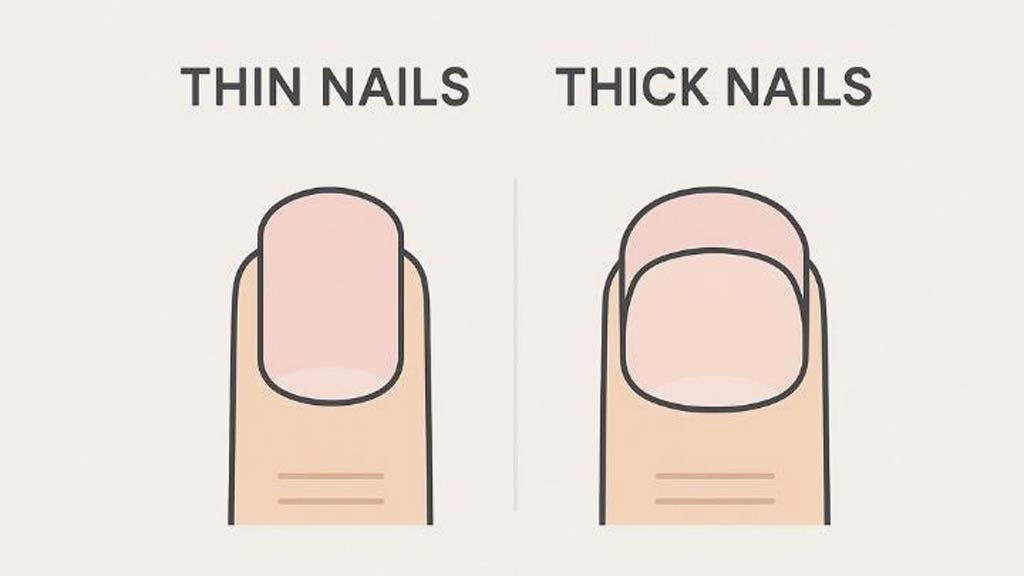
10. Thickened Nails

Thick nails often develop because of fungal infections or repeated injury.
Occasionally, chronic skin conditions can also lead to this type of nail change.
Caring for Healthy Nails
Although not every problem can be prevented, healthy habits reduce the risk of many common nail conditions.
Some simple ways to protect your nails include:
Keep nails clean and dry.
Trim nails regularly.
Avoid biting your nails.
Wear gloves while using cleaning products.
Maintain a nutritious diet filled with important vitamins and minerals.
Moisturize your hands and nails regularly.
Good daily care supports healthy nail growth and reduces unnecessary damage.
When Should You See a Doctor?

Many fingernail changes are harmless and improve on their own. However, medical advice is recommended if you notice:
Sudden color changes.
Persistent dark streaks.
Pain or swelling around the nail.
Nails separating from the nail bed.
Severe thickening or deformity.
Nail changes accompanied by other health symptoms.
Early evaluation can help determine whether the problem is related to the nail itself or another medical condition.
The Importance of Paying Attention
Many people fail to notice minor nail changes since they usually happen gradually.
However, your nails are part of your body’s overall health. Watching for unusual fingernail changes allows you to recognize problems that may require professional attention.
Remember that nail appearance alone cannot diagnose disease, but it may encourage you to seek medical advice when necessary.
Conclusion
Your nails can sometimes provide valuable clues about your overall health. While many fingernail changes are caused by everyday factors such as injuries, aging, or cosmetic products, others may be linked to nutritional deficiencies, infections, or medical conditions.
The key is not to panic when you notice a change. Instead, monitor your nails regularly and seek medical advice if unusual changes persist or are accompanied by other symptoms. Paying attention to these small details can support early detection and help you maintain both healthy nails and overall well-being.


