



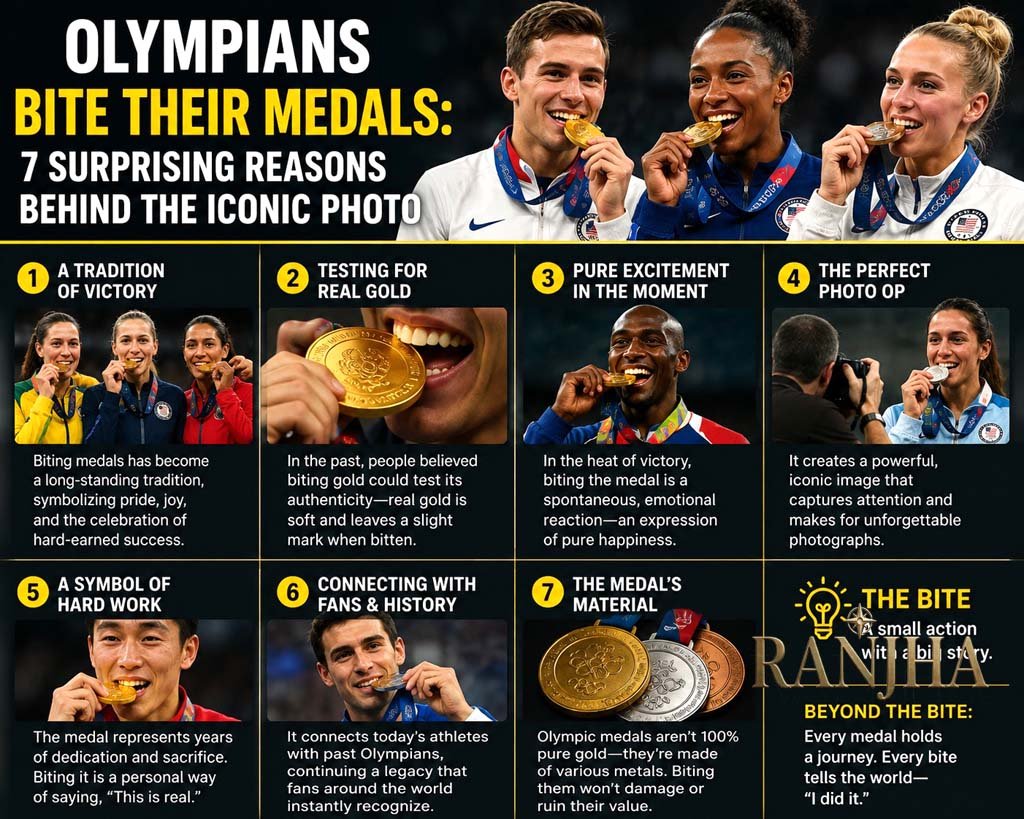
Why Olympians Bite Their Medals: The Story Behind the Iconic Photo
Introduction
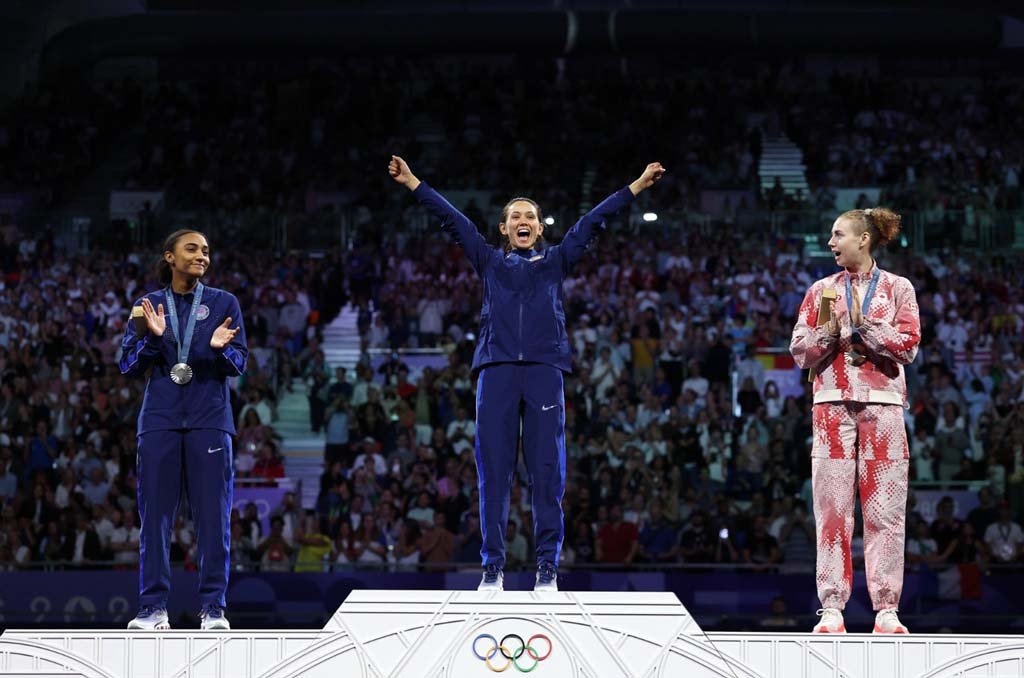
If you’ve ever watched the Olympic Games, you’ve likely noticed the familiar moment when a gold medalist steps onto the podium, smiles for the cameras, and playfully bites their newly awarded medal. Athletes such as Michael Phelps, Simone Biles, and Usain Bolt have made this pose one of the most memorable traditions of the Olympic Games.
But why do athletes do it? Is it an ancient tradition? Are they checking if the gold is real? Or is there more to the story than meets the eye? You may be surprised to learn that the answer is actually quite simple.
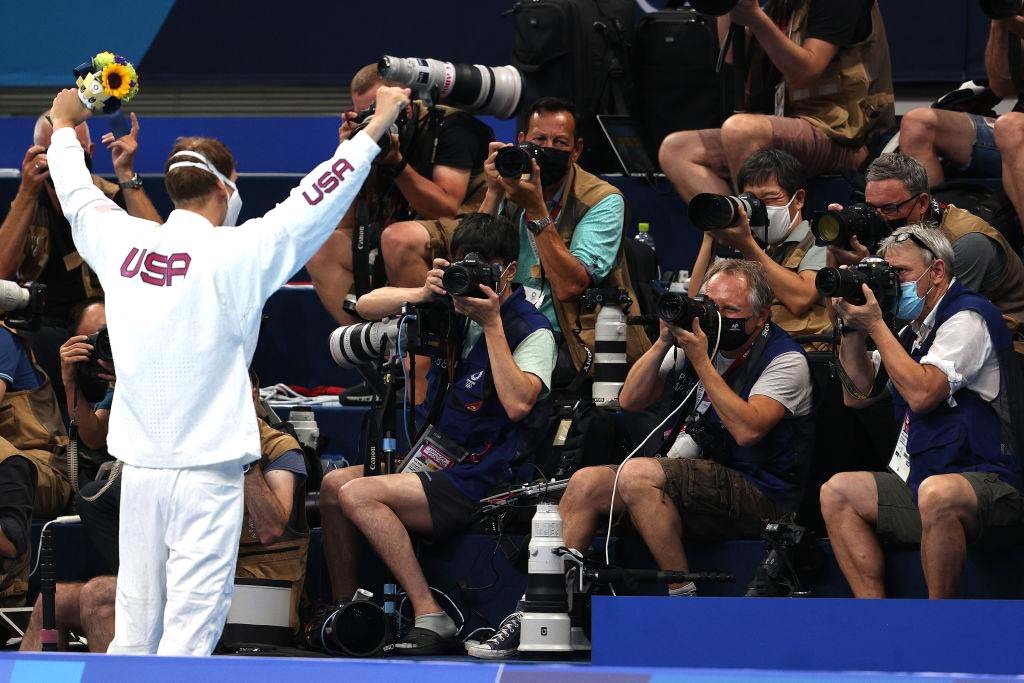

The Short Answer: Photographers Love It
The real reason Olympians bite their medals today comes down to one group of people: photographers . According to David Wallechinsky, president of the International Society of Olympic Historians, athletes rarely do this on their own . Instead, photographers request it because they know it makes an iconic, sellable image .
Wallechinsky explained to CNN that many photographers have developed an intense focus on documenting the event. In his opinion, photographers view it as an iconic photograph with the potential to generate income. In his view, most athletes probably wouldn’t make that decision without outside influence.
The combination of an athlete’s triumphant expression and the dramatic pose creates a powerful image that often ends up on front pages and magazine covers . For photographers covering the Olympics, it is a guaranteed money shot.
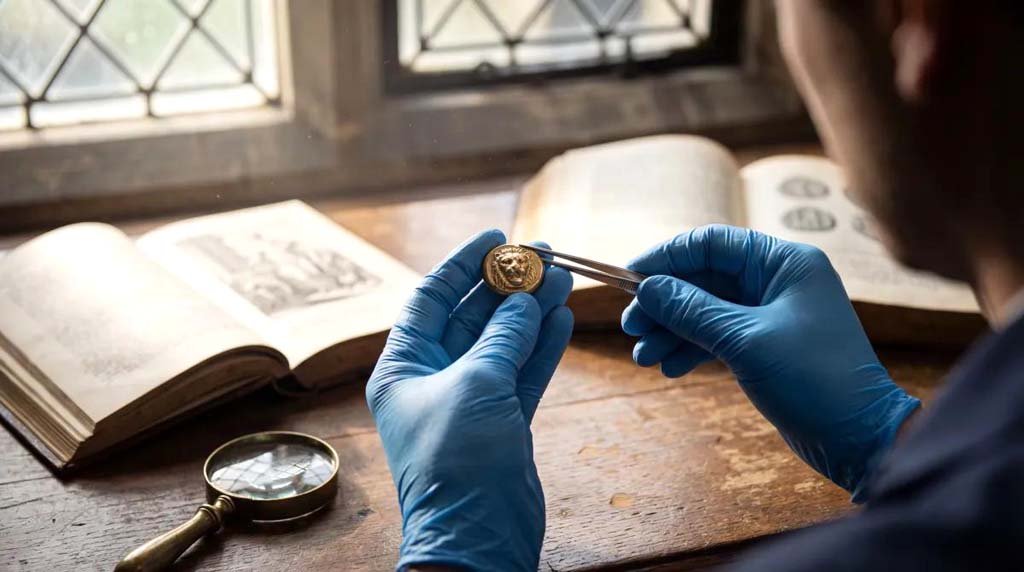

The Historical Theory: Checking Real Gold
There is also an older explanation rooted in history. During the California Gold Rush in the 1800s, traders and miners would bite gold coins to test whether they were genuine . Pure gold is soft, so teeth would leave marks on real gold, while fake gold would be hard enough to hurt .
This method was practical because pure gold is a soft metal. Long ago, it was commonly thought that a bite mark on a coin indicated it was made of real gold. If it hurt your teeth or left no mark, it was likely counterfeit.
However, this explanation does not really apply to the Olympics today. Pure gold medals were last presented to Olympic champions during the 1912 Games. Since then, gold medals have mostly been made of silver coated with a thin layer of gold.Modern Olympic gold medals are made with roughly six grams of gold, while the rest consists of sterling silver that is at least 92.5% pure. Because of this, there is no reason to check their authenticity.
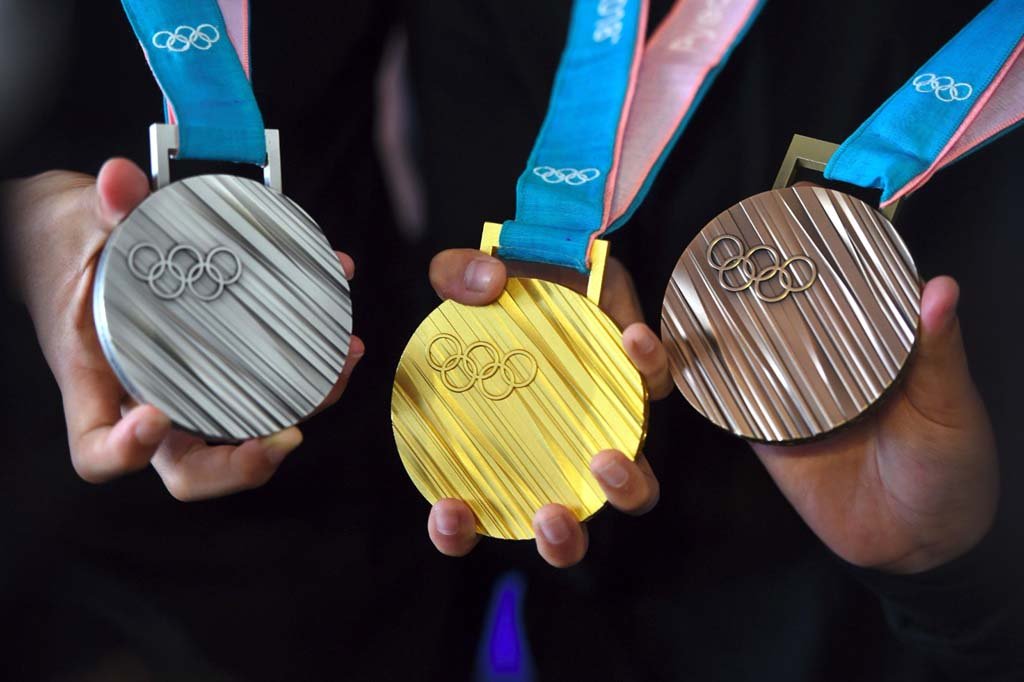
The Modern Medal Composition

Here is what Olympic medals are actually made of:
Gold Medals: At least 92.5% silver, coated with a minimum of six grams of gold. The item weighs about 529 grams in total.
Silver Medals: Made of at least 92.5% pure silver, weighing around 550 grams .
Most bronze medals are crafted from red brass, with a composition of roughly 95% copper and 5% zinc.
The composition is also a practical decision. A pure gold medal weighing 529 grams would cost approximately £30,000 to produce, compared to the current estimated value of around £750 .

A Tradition That Continues
So if the historical reason no longer applies, why do athletes still bite their medals?
As the years have passed, this gesture has become a timeless tradition carried forward by athletes across different generations. Young athletes grow up watching their heroes celebrate victories with a “bite” of their medal. When they finally stand on that podium, it feels natural to do the same . Psychologists suggest that this act helps athletes feel connected to the winning culture and makes their achievement feel more personal .
Biting the medal “makes your medals yours,” as one expert explained. It represents a deep emotional connection to one’s accomplishment.
Are There Risks?
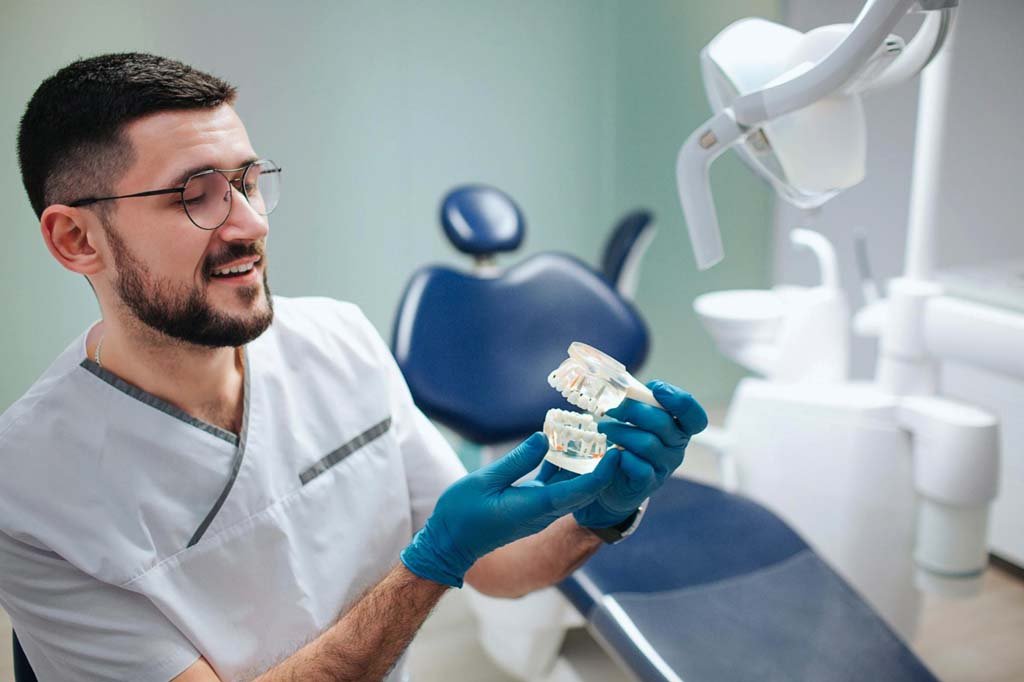
Biting metal is not entirely safe. In 2010, German luger David Moeller broke his front tooth while biting his silver medal at the Vancouver Winter Olympics . After the photo session, he later noticed a piece of his tooth was missing .
Tokyo 2020’s official account jokingly reminded everyone that the medals were for celebrating victories—not for eating. Despite the joke, the tradition continues at every Games.
Conclusion
The iconic Olympic medal bite is more about photography than history. While the practice may have roots in the gold rush era, today it is driven by photographers seeking a memorable image and athletes wanting to celebrate in a way that connects them to champions of the past. This tradition has become one of the most memorable moments in sports, despite the fact that modern gold medals are mostly silver.
About the Author
My name is Dua Qamar, and I am a content writer fascinated by the stories behind the traditions we see every day.
Why I Wrote This Article
Every four years, I watch Olympians bite their medals and wonder why. It is one of those universal moments that everyone recognizes but few people truly understand. I wanted to explore the topic more thoroughly and uncover the facts. What I discovered was far more fascinating than I had originally imagined, and I wanted to share those insights with readers.
How I Approached This Topic
I researched historical origins, expert interviews, and official Olympic information to separate fact from myth. The consensus from historians like David Wallechinsky was clear: this tradition exists because photographers want it to.
Who This Article Is For
This article is for anyone who has ever watched the Olympics and asked, “Why do they do that?” For the naturally curious, this article uncovers the hidden stories and astonishing facts that lie just beneath the surface of everyday life.
The Message I Hope Readers Take Away
Not every tradition is rooted in ancient history. Often, the answer is straightforward—photographers are looking for a memorable photo. And sometimes, traditions continue simply because they make us feel connected to something bigger.
Written by: Dua Qamar


