



How Much Google Really Knows About You
Introduction
Every day, billions of people type questions into Google, navigate with Google Maps, watch videos on YouTube, and send emails through Gmail. These services have become so essential to modern life that we rarely stop to consider what happens behind the screen. But here is a question worth asking: how much does Google really know about you?
The short answer is staggering. Google collects an extraordinary amount of personal information—from your search history and location to your voice, your emails, and even what you type before you press enter . The company has built an empire on understanding its users better than they understand themselves.
Former Google CEO Eric Schmidt once made a widely quoted remark, saying that the company could determine a user’s location with remarkable accuracy. We Know Where You’ve Been. He also suggested that advances in technology make it possible to infer a person’s interests and likely thoughts based on the information they share and their online behavior. With the rise of AI, this statement has only become more accurate.
What Google Knows About You

Your Personal Information

Google stores your name, gender, date of birth, email addresses, phone number, where you live, where you work, and even your interests . If you have ever used Google’s services, the company likely has a comprehensive profile of who you are.
Your Search History and Online Activity
Every search you make is logged. Your browsing activity can be recorded when you use Google services, allowing the company to build a history of the websites you visit across its platforms. The company records what you search for, the videos you watch on YouTube, the ads you click, and even content you type before hitting enter . Your web and app activity is stored in Google’s “My Activity” dashboard, which lists every single website you have visited .
Your Location
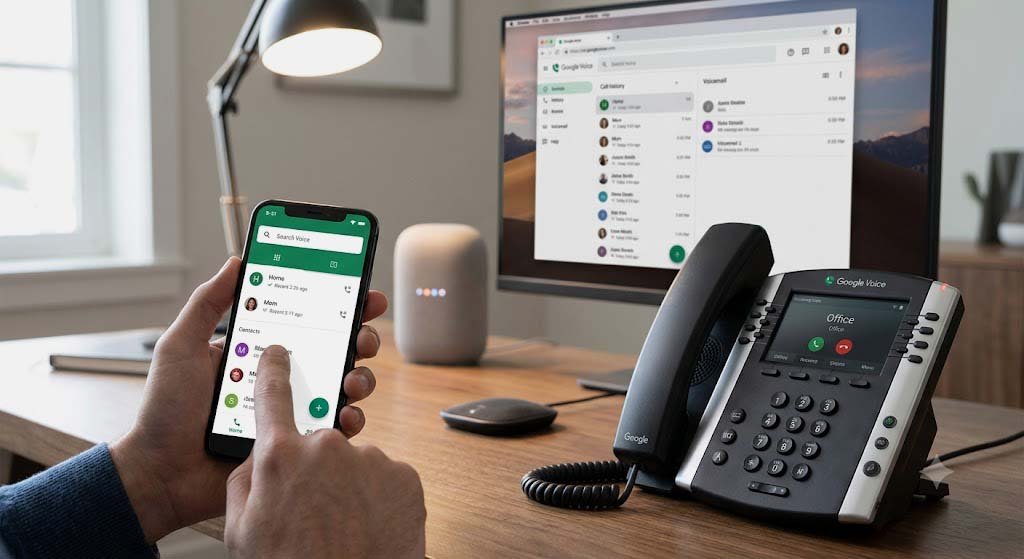
If you use Google Maps on your smartphone, every step you take is tracked and stored in what Google calls your “Timeline” . This feature can display a detailed record of your movements, including the locations you visited, the routes you took, and the times you were at each place.
Your Emails and Private Conversations
Gmail automatically processes the emails you send and receive to support features such as spam filtering, security checks, and other built-in services. This scanning powers features like spam filtering and personalized ads, but it also means that Google has access to the content of your private conversations. The company uses this data to train its AI tools, including Gemini .

Your Voice
If you use Google Assistant, Google Home, or Nest products, Google knows how you sound and the way you talk . Voice Match allows Google to recognize your voice across its products, adding another layer of personal data to its profile .
Your Health and Fitness
If you use wearable devices like Fitbit (acquired by Google in 2021) that sync with Google Fit or Google Health, the company may have access to your weight, heart rate, activity levels, sleep cycles, and even menstrual data .
How Google Uses This Data

Personalized Advertising
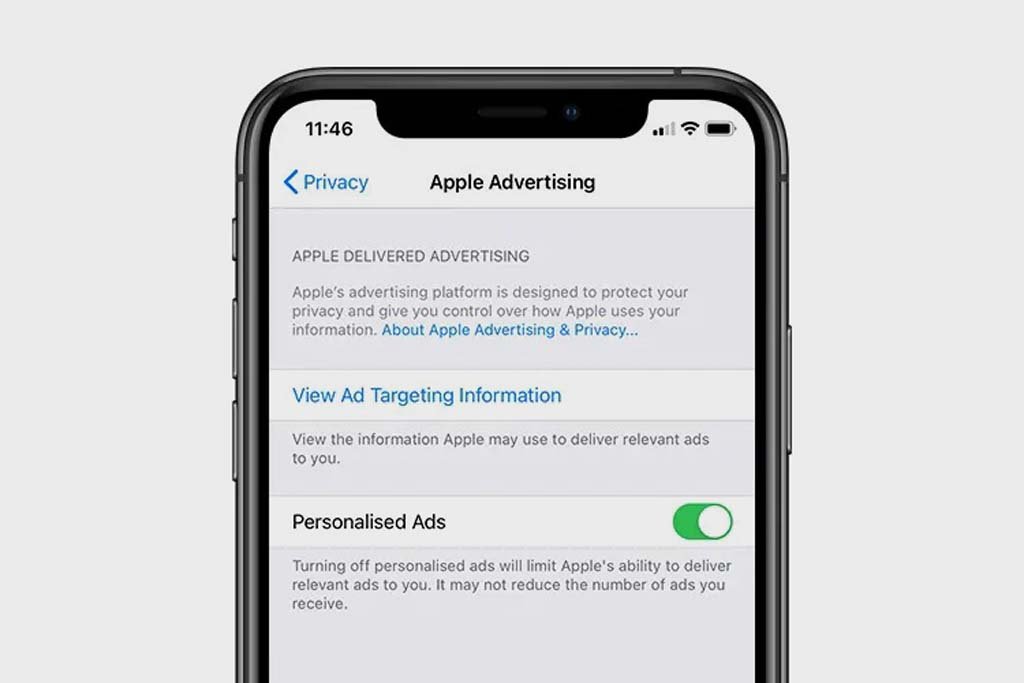
Google’s primary business model is advertising. The company collects your data to build detailed profiles that can be sold to advertisers, enabling them to target you with highly personalized ads . Google makes most of its revenue through advertising, and user data is the fuel that powers this engine .
Service Improvement
Google uses collected data to improve its products and services, from faster search results to better location tracking . The company argues that this personalization enhances user experience, but it comes at the cost of privacy.
AI Training
Google is now using its vast data stores to train artificial intelligence models, including Gemini . Its Personal Intelligence feature can scour your Gmail and Google Photos accounts, as well as your search and YouTube history, to create an eerily accurate profile of your life . In testing, Gemini correctly inferred a journalist’s license plate number from photos and his parents’ vacation history from emails and searches .
Can You Control What Google Collects?
Yes, but it requires effort. Here are the key steps:
1. Turn Off Web & App Activity
This setting controls whether Google tracks your searches and online activity. Go to your Google Account, navigate to Data & Privacy, and turn off Web & App Activity. You also have the option to erase any information that has already been stored in your account history.
2. Manage Your Location History
Google’s Timeline feature records everywhere you go. You can disable Location History in the Google Maps app or choose to auto-delete location data after 3, 18, or 36 months .
3. Turn Off Personalized Ads
Google uses your activity to personalize ads. You can disable this feature by visiting My Ad Center and adjusting the options in the Data & Privacy settings.
4. Set Auto-Delete Options
Google allows you to automatically delete your activity data after a set period, typically 3, 18, or 36 months .


5. Review Your Activity Regularly
You can review the information Google has stored about your account by visiting the My Activity page, where your recorded searches, browsing activity, and other interactions are displayed. You can delete individual items or entire categories of data .
The Reality: Even When You Turn It Off
Even if you turn off tracking features, Google may still collect some data. The company has faced legal consequences for this practice. In 2025, a US federal court ordered Google to pay $425 million for collecting data from millions of users even after they had turned off tracking features . Google has announced that it intends to challenge the ruling by filing an appeal.
Incognito Mode does not prevent Google from tracking you either. While it stops Chrome from saving browsing history locally, Google services can still log your activity if you are signed into your account .
Conclusion
Google knows more about you than most people realize. It knows where you go, what you search for, who you communicate with, and even what you think about. This data fuels a multi-billion-dollar advertising empire and is now being used to train artificial intelligence. While tools exist to limit data collection, they require active effort and even then may not be fully effective.
The ultimate question is not just how much Google knows, but what we are willing to trade for the convenience of free services. As one tech journalist put it, giving the AI access to your data makes for a genuinely useful—and “scary-good”—personal assistant . The price of that convenience is your privacy.
About the Author
My name is Dua Qamar, and I am a content writer with a deep interest in digital privacy, technology, and the ethical questions surrounding data collection in the modern age.
Why I Wrote This Article:
I wrote this piece because digital privacy is one of the most pressing issues of our time. Most of us use Google services daily without fully understanding the extent of data collection happening behind the scenes. I wanted to shine a light on this topic and help readers make informed choices about their privacy.
How I Approached This Topic:
My research involved examining Google’s privacy policies, official safety center publications, and analyses from privacy-focused organizations. I cross-referenced multiple sources to provide an accurate and balanced perspective.
Who This Article Is For:
This article is for anyone who uses Google services and cares about their digital privacy. Whether you are a casual user or a privacy advocate, understanding what Google collects is the first step toward taking control.
The Message I Hope Readers Take Away:
Your data is valuable—to Google, to advertisers, and to AI developers. Understanding what is being collected empowers you to make decisions about your privacy. It is not about fear, but about awareness and informed choice.
Written by: Dua Qamar


